Trying to make sense of Astoria’s mix of grand Victorians, cozy bungalows, and sleek modern builds? You’re not alone. With steep hills, river views, historic streets, and a coastal climate, every house style here lives a little differently. In this guide, you’ll learn what to expect from the most common Astoria home types, how they age in our environment, what maintenance to plan for, and how each style tends to perform at resale. Let’s dive in.
Astoria housing at a glance
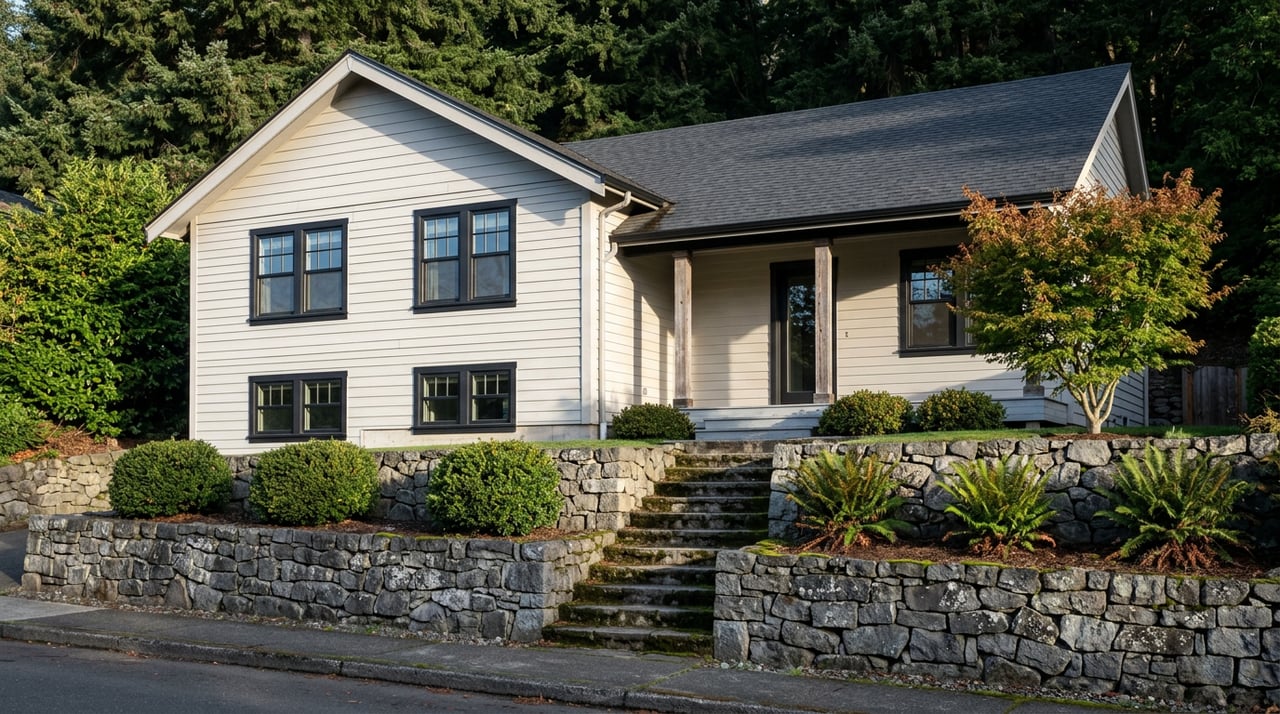
Astoria grew during the late 1800s and early 1900s, which is why you see so many Victorian-era and early 20th-century homes close to downtown and up the hills. After World War II, builders added midcentury ranches and modest cottages, and newer construction has mostly been infill on smaller lots. Many homes sit on slopes with views of the Columbia River or Youngs Bay, which can add stairs, retaining walls, and access quirks.
Parts of the city include properties and districts listed on historic registers. If a home has a historic designation, exterior changes may require special review and permits. Always check with the City of Astoria Planning and Building Departments before you start a project so you know what is allowed and whether any incentives apply.
Victorian homes
What you’ll see
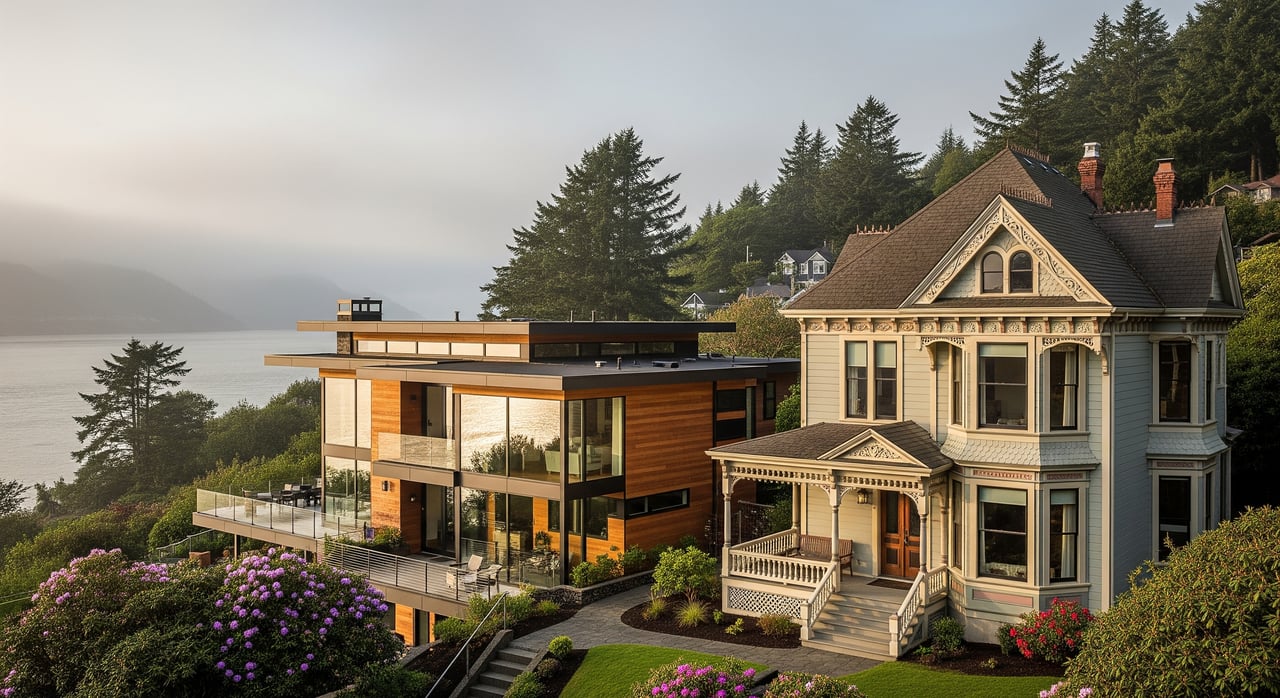
Built mainly from the 1880s to the 1910s, these homes often feature complex rooflines, towers or turrets, tall narrow windows, and wraparound porches with wood trim. Siding is typically wood clapboard or shiplap, and details can be intricate.
How they live
Layouts are usually multi-level with formal rooms and narrower hallways. High ceilings bring great light and ventilation. Many owners repurpose parlors or service rooms for modern living, like home offices or family rooms.
Coastal maintenance reality
With lots of exterior woodwork, Victorians need consistent painting, caulking, and trim repair in our rainy, salty air. Plan for regular roof checks, gutter cleaning, and careful moisture control around the foundation, especially on sloped or older stone or brick bases.
Resale outlook
Well-maintained Victorians often command a premium thanks to curb appeal and historic character. Buyers value updated systems alongside preserved details, so a home that blends both tends to move faster.
Craftsman and bungalow
What you’ll see
Common from the early 1900s through the 1930s, Craftsman homes feature low-pitched gables, wide eaves with exposed rafters, tapered porch columns, and warm interior woodwork with built-ins.
How they live
Most are one to one-and-a-half stories with efficient floorplans and good storage. They feel practical and cozy, which suits many buyers who want charm without the scale of a large Victorian.
Coastal maintenance reality
Wood siding and trim still need attention, but the simpler forms reduce upkeep compared with ornate Victorians. Keep an eye on paint, gutters, and porch posts, and plan periodic upgrades to insulation and ventilation for comfort.
Resale outlook
Bungalows have steady demand across age groups. Buyers appreciate efficient layouts and original details when systems are up to date.
Early cottages and vernacular homes
What you’ll see
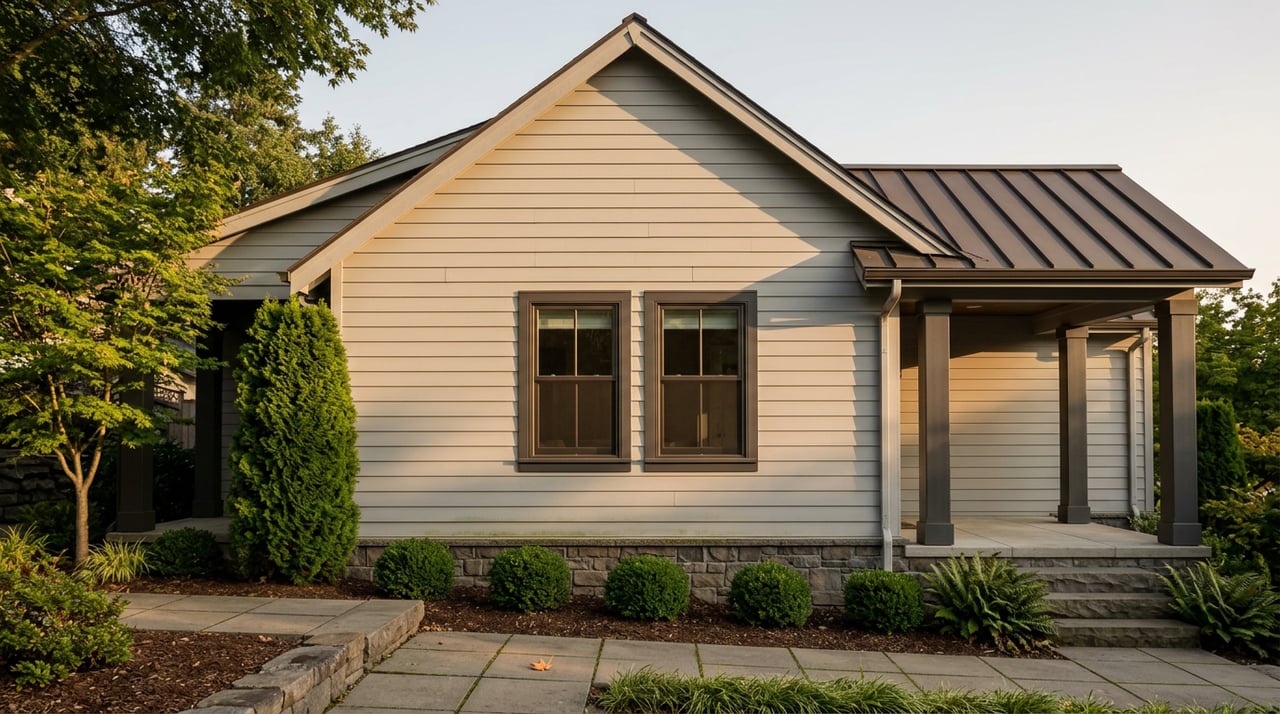
From the 1900s to the 1940s, many modest cottages were built with simple shapes and compact footprints. Materials were often basic and budget friendly.
How they live
These homes work well as starter options or rentals. Expect smaller bedrooms and living spaces, with room to personalize through targeted updates.
Coastal maintenance reality
System upgrades are common. Electrical panels, two-prong outlets, older plumbing, and insulation improvements may be on your list. Moisture control and roof condition are key checks.
Resale outlook
Value leans on condition and lot more than style. Thoughtful updates can make these homes appealing for first-time buyers or investors.
Midcentury ranch and post-war houses
What you’ll see
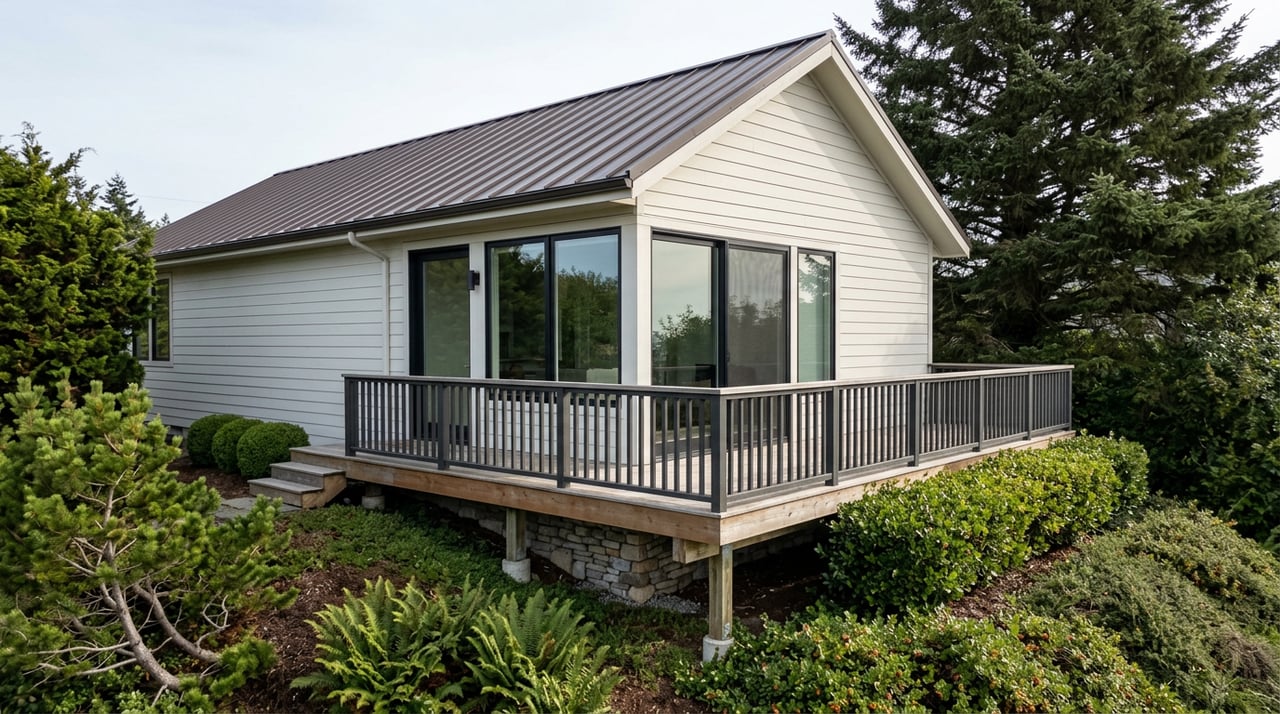
From the 1940s to the 1960s, single-level plans became popular. Expect lower rooflines, larger windows, and simple detailing. Some have attached or later-added garages.
How they live
Single-level living is a major perk, especially if you want fewer stairs. Many homes are on slabs or shallow crawlspaces, which makes drainage management important in wet months.
Coastal maintenance reality
Check for foundation movement or cracking, and watch for moisture in crawlspaces. Regular roof and gutter upkeep helps protect the simple envelope.
Resale outlook
Demand is steady, especially for buyers who prioritize one-level living. Condition, views, and parking often tip the scale.
Contemporary and new builds
What you’ll see
From the 1990s to today, new homes in Astoria are often infill or small-lot builds. You’ll find open layouts, modern finishes, and improved energy features.
How they live
These homes tend to be move-in ready with flexible spaces and fewer immediate repairs. Lot size and neighborhood compatibility can limit large additions.
Coastal maintenance reality
Newer materials and systems reduce short-term upkeep, but wind, rain, and salt still call for regular exterior checks and roof maintenance.
Resale outlook
Because newer construction is less common in the city, move-in ready modern homes can command a premium when they hit the market.
Climate and site factors to plan for
Astoria’s coastal climate shapes how homes age. If you are buying or preparing to sell, focus on the big risk areas and plan ahead.
- Moisture and salt air. Wood rot, peeling paint, moss on roofs and siding, and metal corrosion can appear faster here. Stay proactive with exterior paint, caulking, and routine cleanups.
- Drainage and foundations. Older stone, brick, or unreinforced concrete foundations may need attention. On hillside lots, inspect retaining walls and verify proper drains. Crawlspaces and basements need ventilation and moisture control.
- Seismic preparedness. Astoria sits within a region that can experience large earthquakes. For older homes, ask about foundation bolting, cripple-wall bracing, and chimney reinforcement.
- Flood exposure. Low-lying areas near the Columbia River and Youngs Bay can face flood risk. Confirm elevation, insurance needs, and local floodplain rules before you commit.
- Hazardous materials and dated systems. Lead paint and asbestos are common in older homes and require safe handling when disturbed. Early wiring and galvanized plumbing are frequent upgrade targets.
Renovation and maintenance game plan
Routine upkeep that pays off
- Exterior painting and trim care. Budget for shorter paint cycles than drier inland areas. Repair soft or peeling sections before they spread.
- Roof and gutter checks. Inspect after big storms, clear debris often, and make sure downspouts direct water away from the foundation.
- Ventilation and insulation. Improve attic and crawlspace ventilation to reduce mold risk and boost comfort. Target insulation upgrades where feasible.
Typical bigger updates
- Foundation work and seismic retrofit. Scope depends on your foundation type and access. Older homes with stone or brick may need more extensive work.
- Systems and efficiency. Plan for electrical panel upgrades, grounding, plumbing replacements where galvanized exists, and HVAC improvements. Old windows can often be restored and paired with storm windows to balance character and performance.
- Restoration vs. replacement. Historic-sensitive restoration keeps original character but can cost more. In designated historic areas, certain materials or designs may be required.
Permits, rules, and timing
Exterior changes in historic districts often require review. Window swaps, porch alterations, and additions may trigger permits. Check with the City of Astoria Planning and Building Departments and Clatsop County before you start so you can set a realistic schedule and budget.
Financing and incentives to explore
Some buyers use renovation-friendly loans through common programs. Energy rebates may help with efficiency upgrades, and federal historic tax credits can apply to qualified income-producing historic rehabilitations. Talk with a lender and the state historic preservation office to confirm what fits your project.
Cost drivers in Astoria
Costs vary by condition and scope, but a few items move the needle: hidden rot or water damage, foundation and seismic needs, specialty historic restoration, and access on steep lots. Get multiple local bids for any major work.
Market takeaways for buyers and sellers
What buyers often prioritize here
- River or bay views and walkability to services
- Functional parking or garage options on older lots
- Updated electrical, plumbing, and heating systems
- Single-level living or main-level bedrooms for accessibility
- Verified flood elevation and insurance options for low-lying parcels
Smart moves for sellers
- Tackle exterior maintenance before listing. Fresh paint touch-ups, clear gutters, and clean roofs go a long way.
- Address moisture areas. Dry out crawlspaces, add vapor barriers or vents if needed, and fix downspout drainage.
- Consider pre-listing inspections. Finding roof, sewer, or foundation issues early can prevent surprises and speed closing.
- Document permits and historic approvals. Buyers appreciate clarity around what was done and what is allowed.
Inspections and due diligence to request
- General home inspection plus targeted specialists where needed
- Foundation and crawlspace evaluation for moisture and structural issues
- Roof and gutter inspection, especially after storms
- Sewer scope for older lines
- Lead and asbestos surveys if you plan renovations
- Flood zone verification and any historic restrictions
Quick buyer checklist
- Identify style and layout needs. Multi-level Victorian or single-level ranch? Decide what fits daily life.
- Verify site risks. Flood maps, slope stability, and drainage history matter.
- Plan system upgrades. Budget for electrical, plumbing, or insulation improvements in older homes.
- Price the maintenance curve. Exterior paint cycles and roof care are ongoing in a coastal climate.
- Line up local contractors. Choose pros familiar with wet-climate and historic work.
Quick seller prep list
- Refresh exterior. Clean, caulk, and paint where needed. Clear roofs and gutters.
- Fix water paths. Extend downspouts and confirm site drains are open.
- Service systems. Change filters, test heating, and address obvious electrical or plumbing issues.
- Gather records. Permits, warranties, and past repair notes build buyer trust.
- Stage for light and flow. Open blinds and highlight built-ins or historic details.
The bottom line
Astoria offers a wide range of homes, from ornate Victorians to practical bungalows and low-maintenance modern builds. Each style can be a great choice if you understand how it lives in our coastal climate, what upkeep it needs, and how condition affects value. With the right planning, you can preserve character, manage maintenance, and make a confident move.
If you want a clear plan for buying or selling in Astoria’s unique housing stock, reach out to Jamay Hadley for a friendly consult and local guidance.
FAQs
What should first-time buyers know about Astoria’s historic homes?
- Older houses often need system updates, moisture control, and routine exterior care. Budget for inspections and possible electrical, plumbing, and insulation improvements.
How does flood risk affect buying near the Columbia River or Youngs Bay?
- Low-lying parcels may require flood insurance and have specific building rules. Confirm elevation, review maps, and ask about drainage history before you commit.
Are Victorian homes in Astoria harder to maintain than newer houses?
- Yes. Detailed wood trim, complex roofs, and exposed porches usually need more frequent painting and repairs than simpler modern exteriors.
What is a smart renovation order for an older bungalow or cottage?
- Start with roof, drainage, and foundation. Then address electrical and plumbing, followed by insulation and ventilation, and finish with kitchens, baths, and paint.
Do midcentury ranch homes hold value in Astoria?
- They can, especially with single-level layouts, updated systems, and good condition. Views, parking, and minimal maintenance often boost appeal.