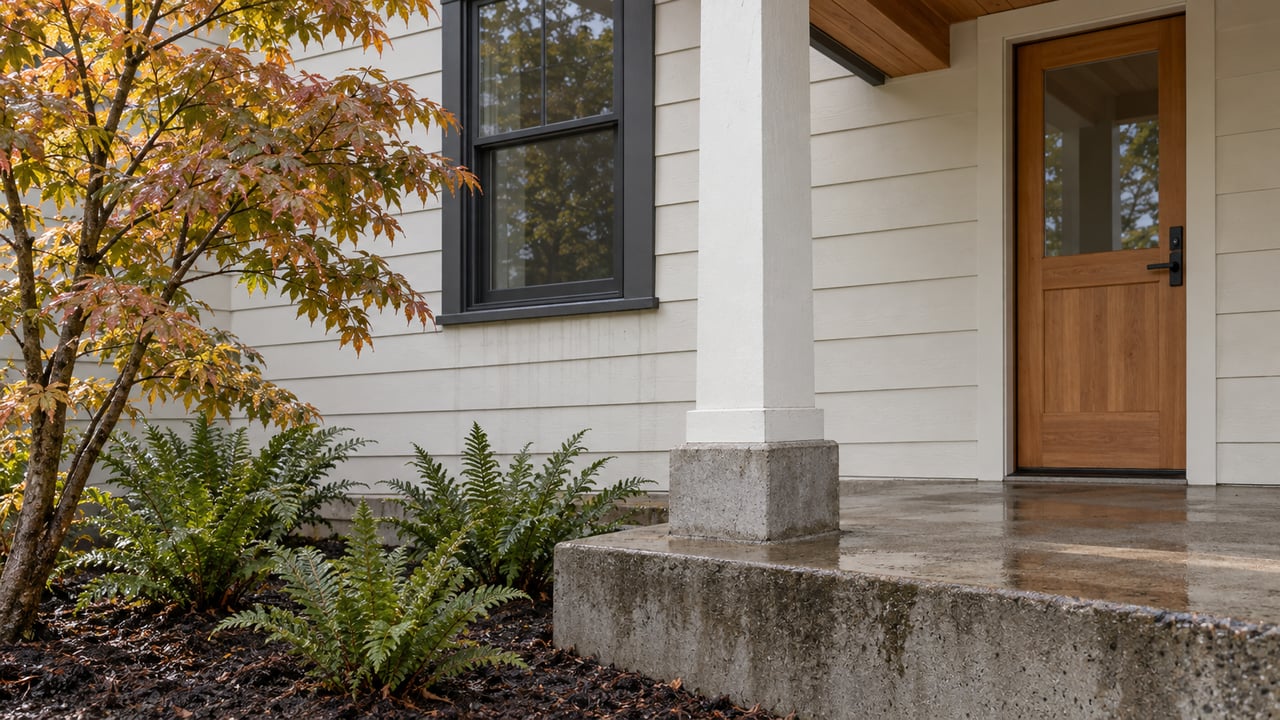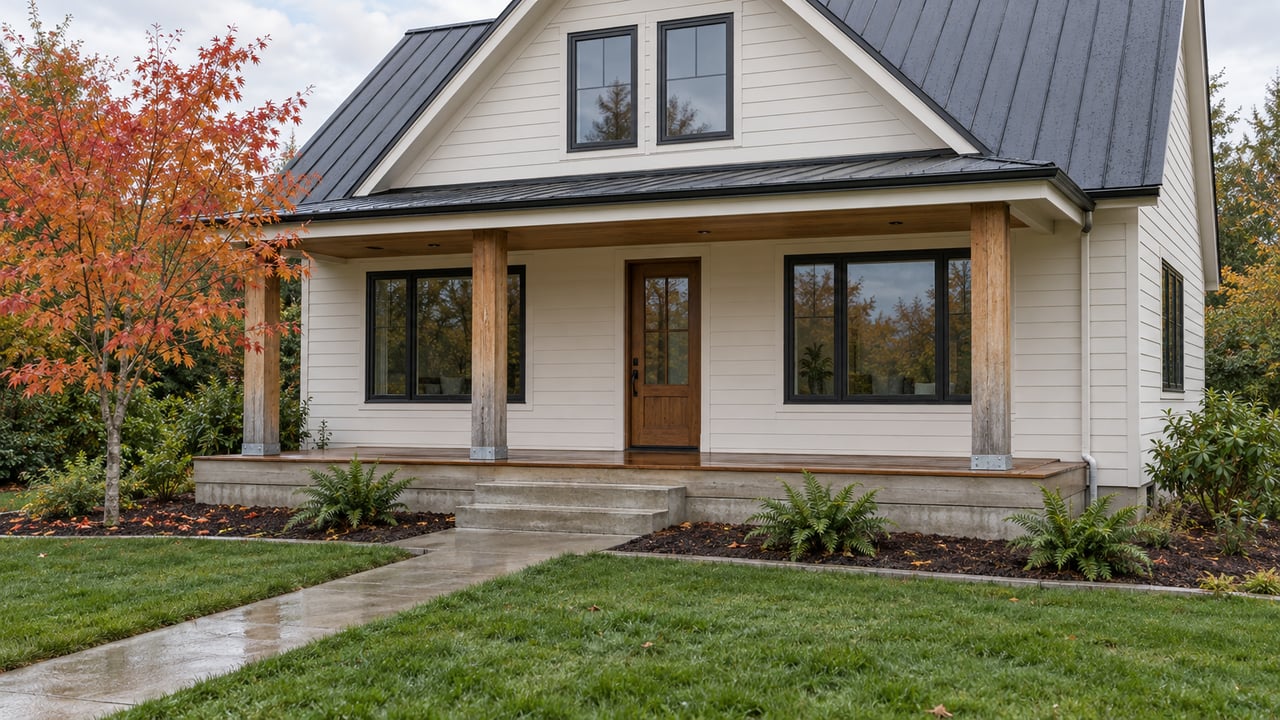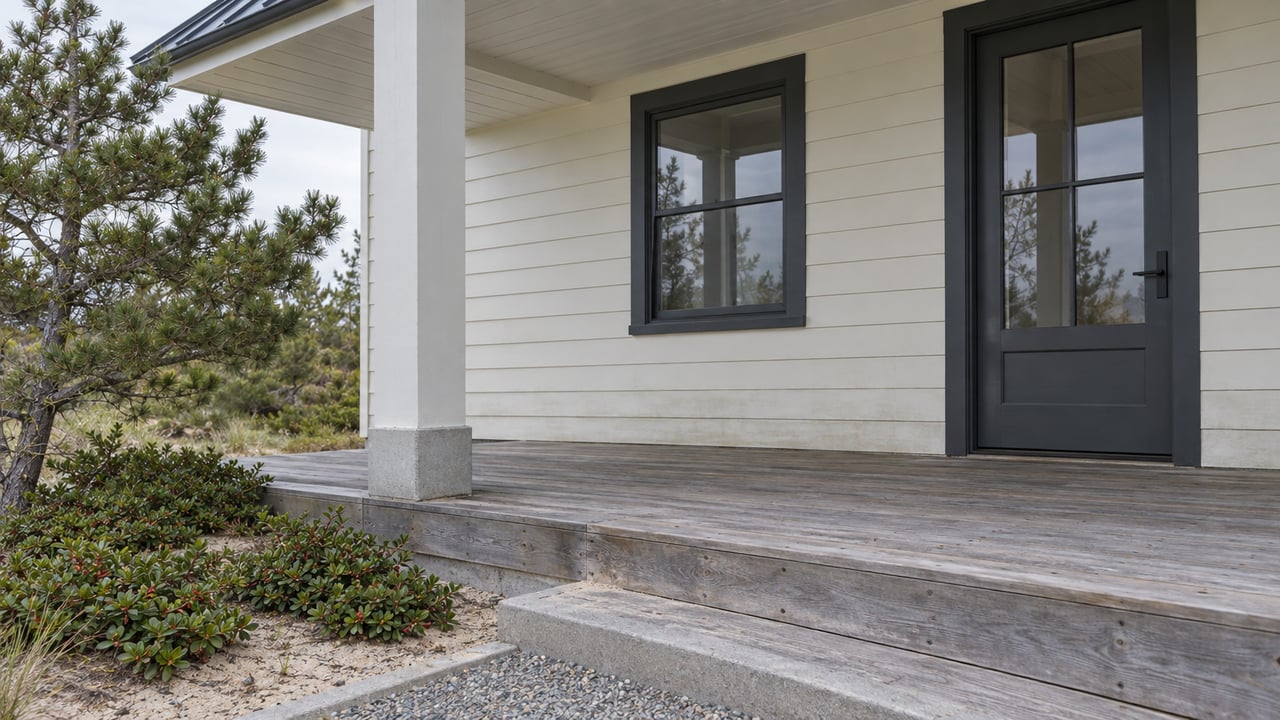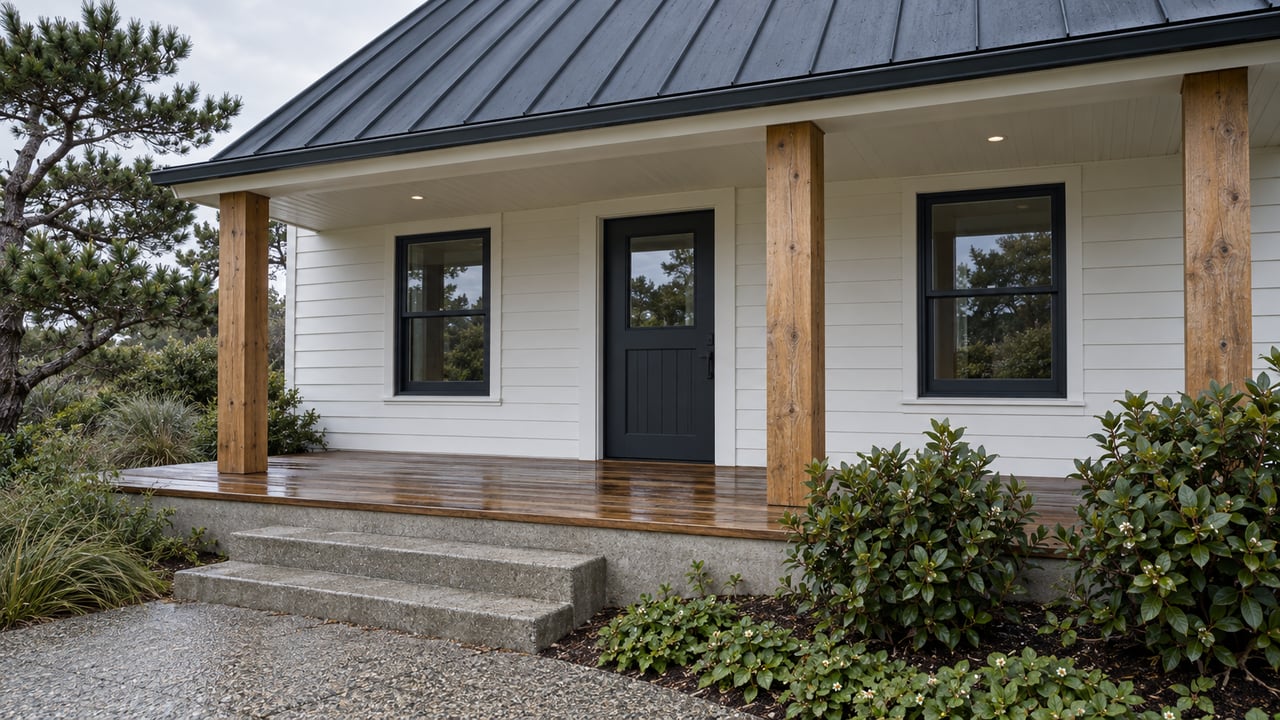
A buyer looking at a Cannon Beach listing this fall will likely see it: "currently licensed short-term rental," sometimes with last year's booking revenue listed right in the MLS remarks. It reads like a feature, the way a new roof or an updated kitchen would. It isn't. In Cannon Beach, a short-term rental permit is issued to a person, not a property, and the moment that person sells, the permit is gone. The house doesn't come with a rental license. It comes with the option to apply for one, and as of this fall, that option is about to get harder to exercise.
The city's own code is blunt about this. Chapter 17.84 of the Cannon Beach Municipal Code states that a rental permit "shall be void when the permit holder sells or transfers the real property" tied to it. Permits are issued to a specific owner of a specific dwelling, and a new owner starts from zero regardless of what the seller was earning the year before.
That single clause is the piece of Cannon Beach real estate friction that catches out-of-area buyers off guard most often, and it's about to matter more, not less. A public hearing notice says the Cannon Beach City Council will hold a public hearing on Ordinance ZO 26-01, a proposal to cap the number of 14-day rental permits citywide, on September 8, 2026, at City Hall. If it passes, the 14-day permit, the most realistic option for new buyers, becomes a limited resource instead of an automatic application.
Permit Types, One Rule That Actually Matters
Cannon Beach has regulated short-term rentals since the 1980s. The city's short-term rental information describes a 14-day permit option, alongside the five-year unlimited permits discussed below.
The Tillamook Headlight Herald reported that five-year unlimited permits are capped citywide at 92 slots. As of the council's most recent public review, only 35 of those 92 slots were actually active. The report also quoted City Councilor Mike Benefield describing an unlimited permit as "running a motel in a residential neighborhood." Councilor Nancy McCarthy raised the same question about fairness.
That leaves the 14-day permit as the most realistic category for a new applicant with no existing permit, if the property is in an eligible zone. City Planner Mark Barnes has noted that most enforcement issues aren't willful, but stem from owners losing track of the permit's requirements.
None of these permits transfer. A buyer's rental income projection has to start from an application, not from the seller's calendar.
The Vote That Makes the Fallback Option Scarcer
The city has been circling this problem for a couple of years. Back in 2024, when Cannon Beach had 196 active short-term rental permits, councilors floated a citywide cap around 200, roughly where the count had held for years. That conversation didn't produce an ordinance right away. It went to planning commission work sessions through early 2026, staff reports, and a draft ordinance, and it now lands as Ordinance ZO 26-01.
The proposal specifically targets the 14-day permit, the tier a new buyer is most likely to obtain. If the council caps the total number available, a buyer who assumed they could simply apply after closing should check the ordinance before relying on an application being available. Anyone with questions about where the ordinance stands can reach the city's Community Development Department directly through Jeff Adams at City Hall.
None of this is theoretical for someone under contract this fall. A buyer who writes an offer in September assuming a straightforward 14-day permit application in October is making a bet on an ordinance that may not exist in its current form by the time they close.
A More Honest Way to Underwrite the Purchase
Before writing an offer on a Cannon Beach property with an existing STR permit, a few questions are worth answering before, not after, closing:
Does the current permit belong to the seller personally, and does it void automatically at closing? Under Chapter 17.84, the answer is almost always yes.
Which permit type is it, and what does that mean for the buyer? A five-year unlimited permit on the seller's side does not transfer to the buyer.
If the plan is to apply fresh for a 14-day permit, what does Ordinance ZO 26-01 look like after the September 8 hearing? A cap that didn't exist in August could exist by the time an application is filed in November.
Is the property in one of the zones where 14-day permits are even allowed, RVL, RL, R1, R2, R3, MP, or RAM? Not every residential parcel in Cannon Beach qualifies.
Does the budget work without any rental income at all? If the answer is no, the numbers were never solid to begin with, they were borrowed from a permit that isn't transferring.
For current owners holding a five-year unlimited permit, the calculus runs the other direction. A permit tied to a specific owner is a use-it-or-lose-it asset in a regulatory environment that is only getting tighter, and the value that permit adds to a listing today may not be replicable for whoever buys the house next.
Getting the Numbers Straight Before You Commit
Whether the plan is to buy a Cannon Beach property with realistic rental expectations or to sell one before the rules shift further, the honest version of that conversation starts with the actual permit, the actual zone, and the actual ordinance language, not the number on last year's booking calendar.
Jamay Hadley and the team at PNW Real Estate Experts work this stretch of coast from Astoria down through Cannon Beach and know how to read a listing's rental history for what it actually transfers, versus what simply disappears at the closing table. If you're weighing whether to buy with rental income in the plan, or you're an owner deciding whether the current regulatory window is the right time to sell, get a free home valuation and a straight answer about what your specific permit situation means before you commit either way.
A Few Direct Questions
If I buy a home with an active 14-day permit, can I just keep renting under the seller's permit until my own application is approved? No. The permit voids at the point of sale or transfer, and operating a short-term rental without a valid permit carries a fine of up to $500 per day under the city's code.
Can I apply for a 14-day permit if the home already has one attached to the seller? Yes, once the sale closes and the seller's permit voids, a new owner who doesn't already hold another Cannon Beach STR permit can apply, assuming the zoning and any cap in effect at that time allow it.
What happens if the seller has an open code violation on the permit? A revoked permit bars that owner from reapplying for two years, but that penalty follows the person, not the house. It doesn't automatically block a new owner's own application, though it's worth confirming the property's compliance history before closing regardless.
This article is general information, not legal, tax or financial advice. Consult a qualified professional about your situation.