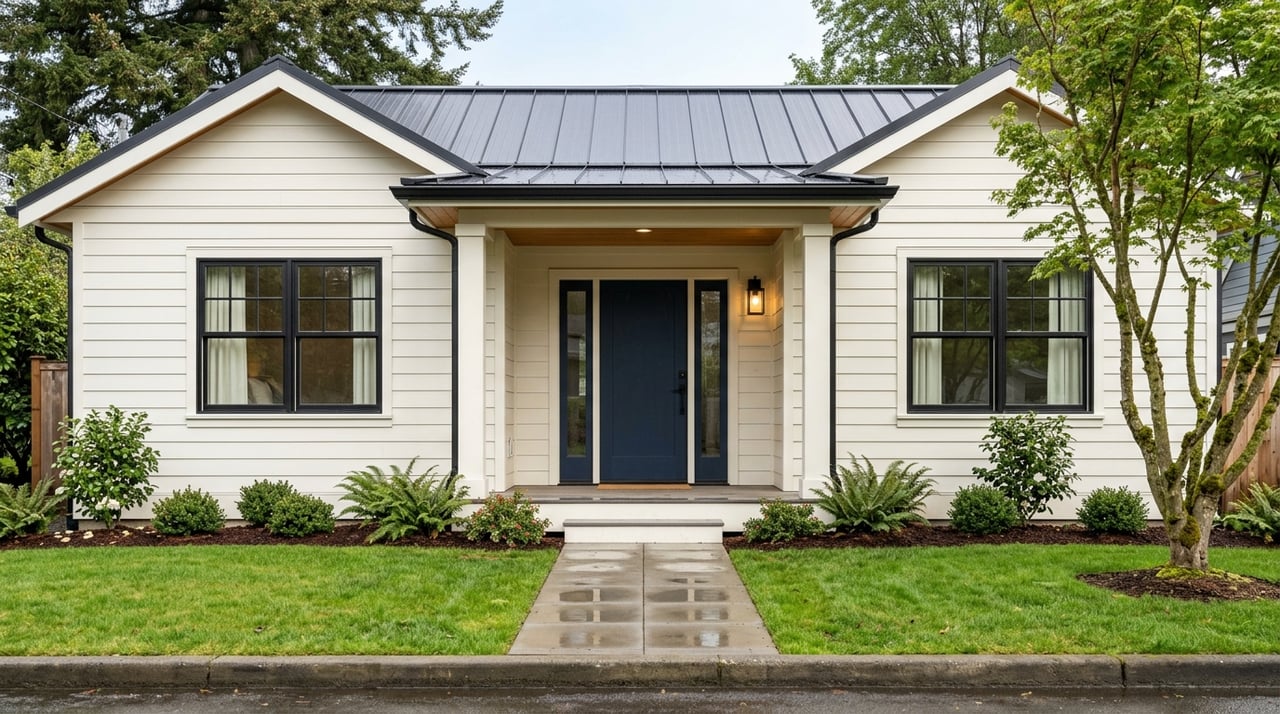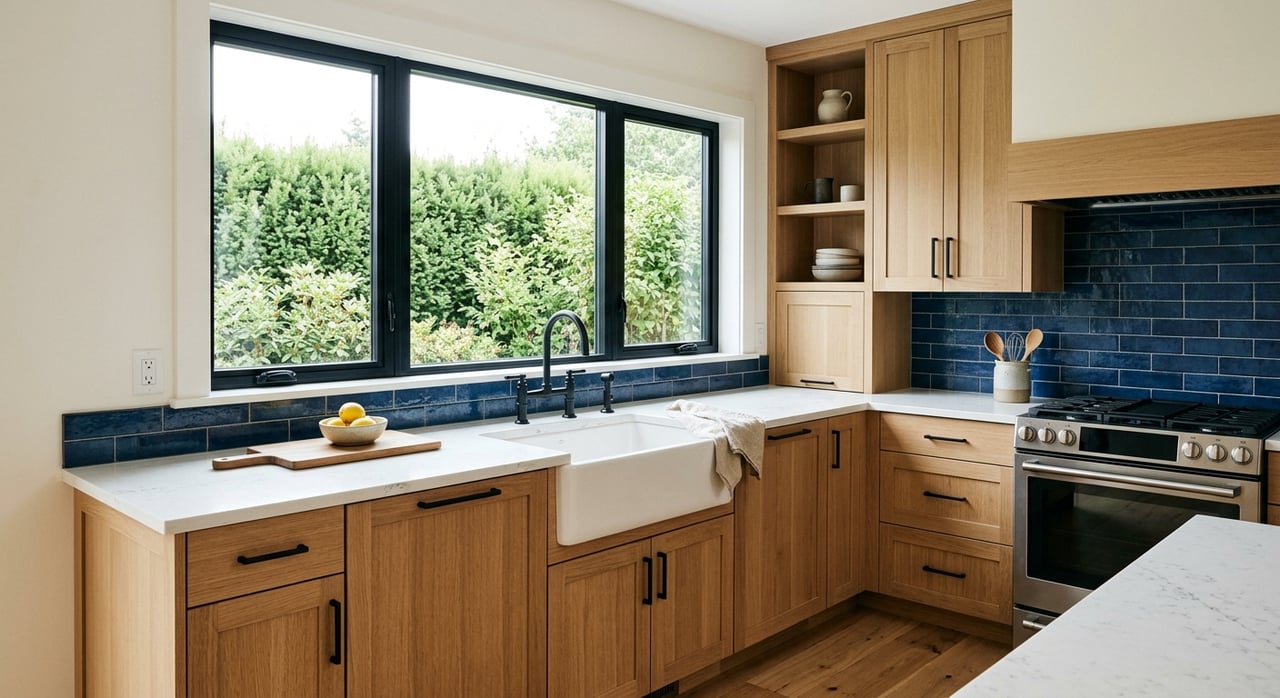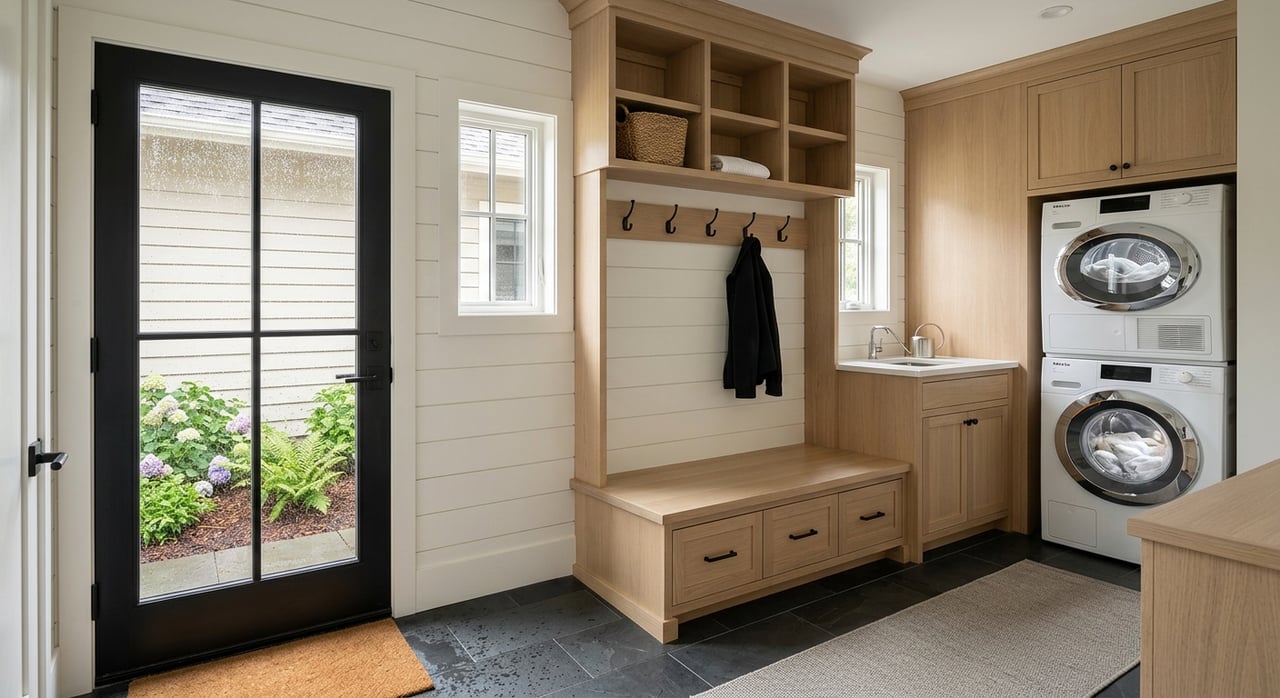
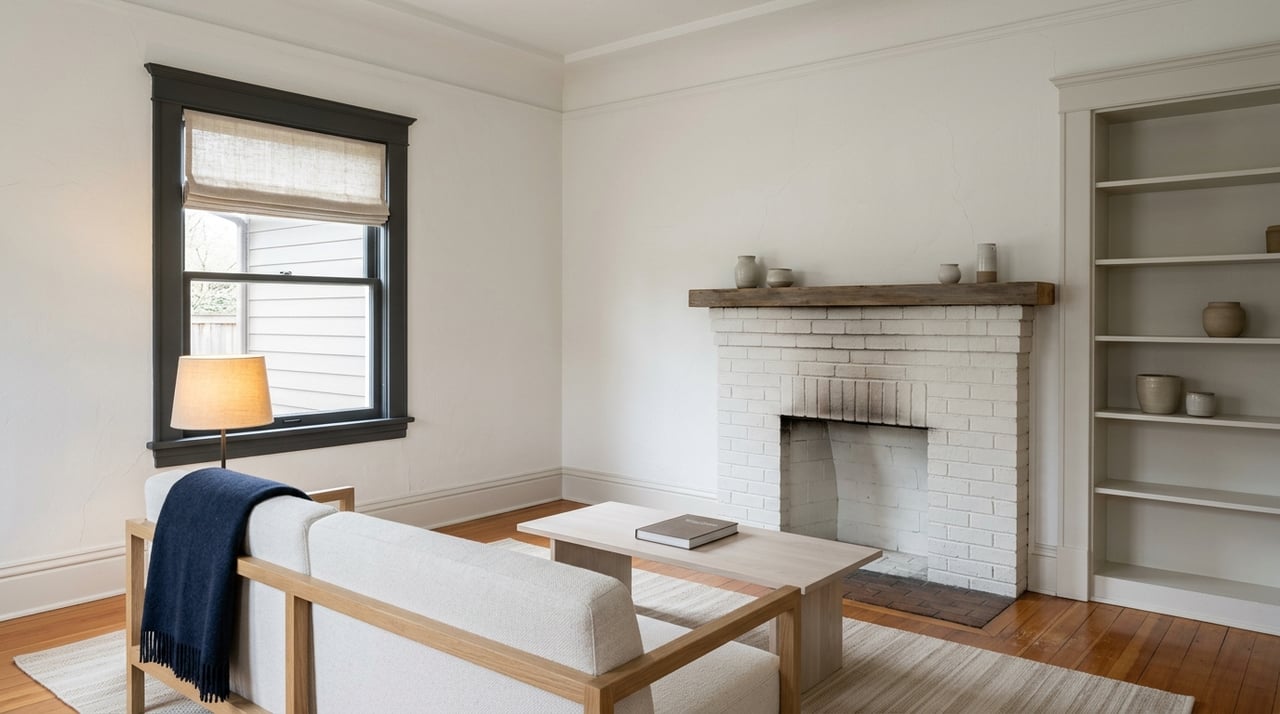
Wondering how to get a historic Astoria home ready for the market without stripping away what makes it special? You are not alone. Selling an older home here can feel like a balancing act between preserving character, handling deferred maintenance, and meeting the expectations of today’s buyers. The good news is that the right prep is usually less about trendy upgrades and more about thoughtful, practical improvements that fit Astoria’s climate and historic setting. Let’s dive in.
Why historic prep matters in Astoria
Astoria is not just a city with a few older homes scattered around. It has two districts listed on the National Register of Historic Places, and city policy actively supports preservation, restoration, rehabilitation, and adaptive use of historic buildings and districts.
That matters when you are getting ready to sell. Buyers looking at a historic Astoria home often expect authenticity, visible care, and updates that feel compatible with the home instead of fighting against it.
Astoria’s weather also plays a big role. NOAA climate normals show about 70.26 inches of annual precipitation, with the wettest stretch landing in late fall and winter. In a place this wet, buyers tend to pay close attention to roofs, drainage, moisture control, siding, porches, and overall exterior condition.
Focus on condition first
If you are deciding where to spend time and money before listing, start with maintenance. In most historic Astoria homes, buyers respond better to a house that feels solid, dry, and cared for than one with flashy cosmetic changes.
That means your first pass should usually include the basics:
- Roof condition
- Gutters and downspouts
- Drainage around the home
- Porch stability
- Exterior paint condition
- Visible siding damage
- Window operation
- Signs of moisture intrusion
These items matter in any market, but they carry even more weight in Astoria because of the climate. A buyer may love original trim and vintage details, but concerns about water management can quickly overshadow charm.
Preserve character buyers can see
Historic-home buyers are often not looking for perfection. More often, they want proof that the home’s character has been respected and maintained.
The National Park Service treatment standards emphasize retaining historic character, repairing deteriorated features rather than replacing them when possible, and avoiding fake historic details. In practical terms, that means buyers are likely to respond well to intact wood trim, repaired porches, functional windows, and exterior materials that still look appropriate to the home’s age and style.
You do not need to restore every detail to museum standards. Instead, focus on the features that shape first impressions and help the home feel authentic.
Character features worth highlighting
Before listing, take a fresh look at the details that give your home its identity:
- Original or older wood trim
- Built-ins and millwork
- Porch columns, railings, and steps
- Window casings and sashes
- Historic siding or shingles
- Rooflines and exterior proportions
If those features are visible and in decent condition, they can become some of your home’s biggest selling points. If they are hidden, damaged, or competing with clutter, buyers may miss them.
Repair before replacing
One of the most common mistakes sellers make with historic homes is replacing original materials too quickly. In many cases, repair is the better move.
The National Park Service recommends repairing historic features rather than replacing them when possible. If replacement is necessary, the new feature should match the old in design, color, texture, and where possible, materials.
Astoria’s code follows the same general logic. Replacement wood siding should match the original in size, dimension, and material, and original wood shingle or shake roofs should be maintained whenever possible.
Think carefully about windows
Old windows often raise questions before a sale. Should you replace them all, or leave them alone?
Usually, replacement should not be automatic. If older windows still function or can be repaired, that may be the smarter pre-listing choice, especially since Astoria reviews window replacements when they change materials or style.
For buyers, well-maintained original windows can support the home’s character. For sellers, repair can also help avoid unnecessary project costs and approval delays.
Keep updates compatible
Today’s buyers do want comfort and usability, but that does not mean every old house should be modernized in the same way. In Astoria, the better approach is usually to make updates that feel appropriate to the structure.
Astoria’s review language says exterior changes near historic resources are evaluated for compatibility in scale, style, height, materials, architectural detail, and orientation. The city also lists siding changes, window replacements, roofline changes, additions, porches, and decks among exterior alterations that are reviewed.
That makes a simple point for sellers: if you are planning pre-listing work, aim for improvements that support the home’s existing architecture instead of competing with it.
Good pre-listing updates often include
- Repairing porch elements instead of redesigning them
- Replacing damaged materials with similar materials
- Cleaning up exterior details that have weathered over time
- Refreshing paint where needed
- Fixing drainage issues before they become buyer objections
These are the kinds of changes that help a home show better while still feeling true to itself.
Use staging to reveal the architecture
Staging a historic home is different from staging a newer one. The goal is not to cover the house with trend-driven decor. The goal is to make the architecture easy to read.
A light-handed approach usually works best. Open window coverings, reduce clutter, and arrange furniture so buyers can notice ceiling height, woodwork, built-ins, and room flow.
If a room feels crowded, buyers may focus on size limits instead of architectural charm. If a room is edited well, they are more likely to notice the details that make an older Astoria home memorable.
Simple staging moves that help
- Open blinds and curtains to bring in light
- Remove furniture that blocks trim or built-ins
- Keep decor simple and scaled to the room
- Clear porches and entry points
- Let original woodwork stand out
This is where thoughtful prep can make a big difference. You are not trying to make the home look generic. You are helping buyers understand it.
Know what may need city review
One of the biggest stress points for sellers is not knowing which projects are simple and which ones may require local approval. In Astoria, that distinction matters.
The city says routine maintenance is not reviewed. Exterior paint colors are not reviewed. Interior changes are also not reviewed by the city’s Historic Landmarks Commission unless the property is enrolled in the state Special Assessment program.
That gives sellers some useful flexibility. If you want to freshen the interior, repaint the exterior, or tackle basic maintenance, you may be able to do that without triggering extra review.
Changes that can require more lead time
Major exterior work is a different story. Astoria’s code sets review pathways for exterior alterations, and some work may require a Certificate of Appropriateness or additional review steps.
If you are considering any of the following, plan ahead:
- Siding changes
- Major window work
- Roofline changes
- Porch rebuilds
- Deck changes
- Additions
If timing matters for your sale, it helps to sort these questions out early. A rushed exterior project can create delays that affect your listing timeline.
Address moisture and flood concerns early
In Astoria, moisture is never an abstract issue. It is part of the day-to-day reality of homeownership, and buyers know it.
That is why drainage, roof condition, gutters, downspouts, and signs of water intrusion deserve early attention. Even if the fixes are modest, showing that you have managed these issues thoughtfully can build buyer confidence.
Floodplain awareness may also matter for some properties, especially lower-lying or river-adjacent homes. The City of Astoria participates in the National Floodplain Insurance Program, and the city’s floodplain information supports the value of addressing drainage and resilience concerns clearly and early.
For sellers, the takeaway is simple: if water management is part of your home story, be prepared to explain what has been maintained, repaired, or improved.
Gather documentation before you list
Historic homes often benefit from a little extra context. If you have records that show the home has been maintained with care, that information can support buyer trust.
Astoria’s FAQ notes that city staff may offer limited design consultation, and it also says historic photographs can help guide restoration. The same FAQ points to the Clatsop County Historical Society’s photo archives as an invaluable resource for restoring Astoria buildings.
Useful pre-listing documentation might include:
- Permit records
- Before-and-after photos
- Old photographs of the home
- A short maintenance timeline
- Notes on repaired exterior features
You do not need a huge binder. Even a simple, organized summary can help buyers feel more confident that the home has been cared for thoughtfully.
What today’s buyers want most
If you are selling a historic Astoria home, it helps to let go of the idea that buyers expect total restoration. Most are looking for something more practical.
They want a home with real character, visible upkeep, and fewer unanswered questions. They want to see that the house has been respected, that key maintenance has not been ignored, and that any updates fit the home instead of flattening its personality.
That is why the best pre-listing strategy is usually preservation-minded, not perfection-driven. In Astoria, a well-prepared historic home often wins buyers over by feeling honest, cared for, and ready for its next chapter.
If you are thinking about selling and want help deciding which improvements are worth doing first, Jamay Hadley can help you prioritize repairs, staging, and listing prep with a practical local lens.
FAQs
Do I need to restore every original detail before selling a historic Astoria home?
- No. A better approach is usually to focus on visible character-defining features and the most noticeable maintenance issues first.
Should I replace old windows before listing a historic home in Astoria?
- Not automatically. Repair is often preferred when feasible, and window replacements may be reviewed if they change materials or style.
Can I choose any exterior paint color for my Astoria historic home?
- Yes. The City of Astoria says exterior paint colors are not reviewed.
Can I update the interior before listing a historic home in Astoria?
- Generally yes. The city does not review interior changes unless the property is enrolled in the state Special Assessment program.
What exterior projects may need review for a historic home in Astoria?
- Exterior changes such as siding work, major window changes, roofline changes, porch rebuilds, decks, and additions may require review, so it is smart to plan ahead.
What matters most to buyers of historic homes in Astoria?
- Buyers often respond best to authentic character, visible upkeep, moisture management, and updates that feel compatible with the home’s age and style.