Imagine starting your day with coffee and a stroll on the boardwalk, then hopping onto a paved trail that winds through dunes and evergreens to the next town. By evening, you are watching the sky change over miles of open beach. If you are curious about what everyday life really feels like in Long Beach, this guide is for you. You will learn how the seasons shape routines, where you will walk and shop, what homes look like, and the practical details locals rely on. Let’s dive in.
Seasonal rhythm in Long Beach
Summer energy and festival weeks
Summer in Long Beach hums with visitors, beach time, and community events. The Washington State International Kite Festival fills the third full week of August with color and crowds, centered around the World Kite Museum’s programming. You will see kites of every shape and size, and the town’s main streets feel lively most of the day. Locals often run errands early or midweek when traffic is lighter. The peninsula’s sand beach stretches for about 28 miles, so you can always find space to walk if you step a bit away from the busiest access points.
- Learn more about the kite festival through the World Kite Museum’s event hub.
- The peninsula’s continuous beach is commonly described as about 28 miles long, noted by the National Park Service’s nearby attractions guide.
Quiet winters, real weather
Winters are mild and very wet, which brings a different kind of beauty. Expect cool, stormy days with dramatic surf, softer light, and a slower pace as some businesses reduce hours. The climate is maritime with cool, drier summers and rainy winters. Annual precipitation varies by dataset, typically ranging from about 67 to 78 inches per year. You will see plenty of locals storm watching, walking bundled-up beach miles, or timing a weekend around razor clam digs when seasons open.
- See Long Beach’s climate profile and precipitation range on Climate-Data.
Community calendar at a glance
You will feel the seasons in the event lineup too. Highlights include:
- January’s Windless indoor kite weekend that brings hobbyists together at the school gym.
- Cranberry harvest activities and small autumn festivals in October.
- Loyalty Days and other long-standing spring and summer parades.
With a year-round population of roughly 1,700 to 1,800 residents, Long Beach keeps a small-town rhythm even when visitors surge in mid to late summer.
Getting around, walkability, and beach access
Walkable core and daily trails
If you live near the downtown core, you can walk to coffee, groceries, and the beach. The wooden boardwalk runs roughly a half mile over the dunes, perfect for quick morning loops. For longer outings, the Discovery Trail is about 8.5 miles of paved path linking Long Beach with Seaview and Ilwaco, used daily by walkers, runners, and cyclists.
- Get a feel for local beach access and the boardwalk on the Evergreen Coast page for beach time in Long Beach.
Quick trips to bigger hubs
For some services, you will look beyond city limits. Astoria and the Lower Columbia are an easy drive over the Astoria–Megler Bridge. For bigger-city access, plan about 2.5 hours to Portland and about 3.5 hours to Seattle depending on traffic. Those travel times help if you split work or family obligations between the coast and metro areas.
- For regional context on Washington beaches and trip planning, see this Travel + Leisure coastal roundup.
Beach driving basics to know
Beach driving is a distinctive local amenity with clear safety rules. Before you try it, review the guidelines and always put safety first:
- Sections of the beach have seasonal closures from April 15 through Labor Day.
- Obey the 25 mph limit and stay on firm, packed sand.
- No ATVs and no driving in the dunes. Be tide aware and carry recovery gear.
You can find the latest rules and closures on the Evergreen Coast beach safety and driving page.
Homes and neighborhoods: what you will see
In-town cottages and boardwalk living
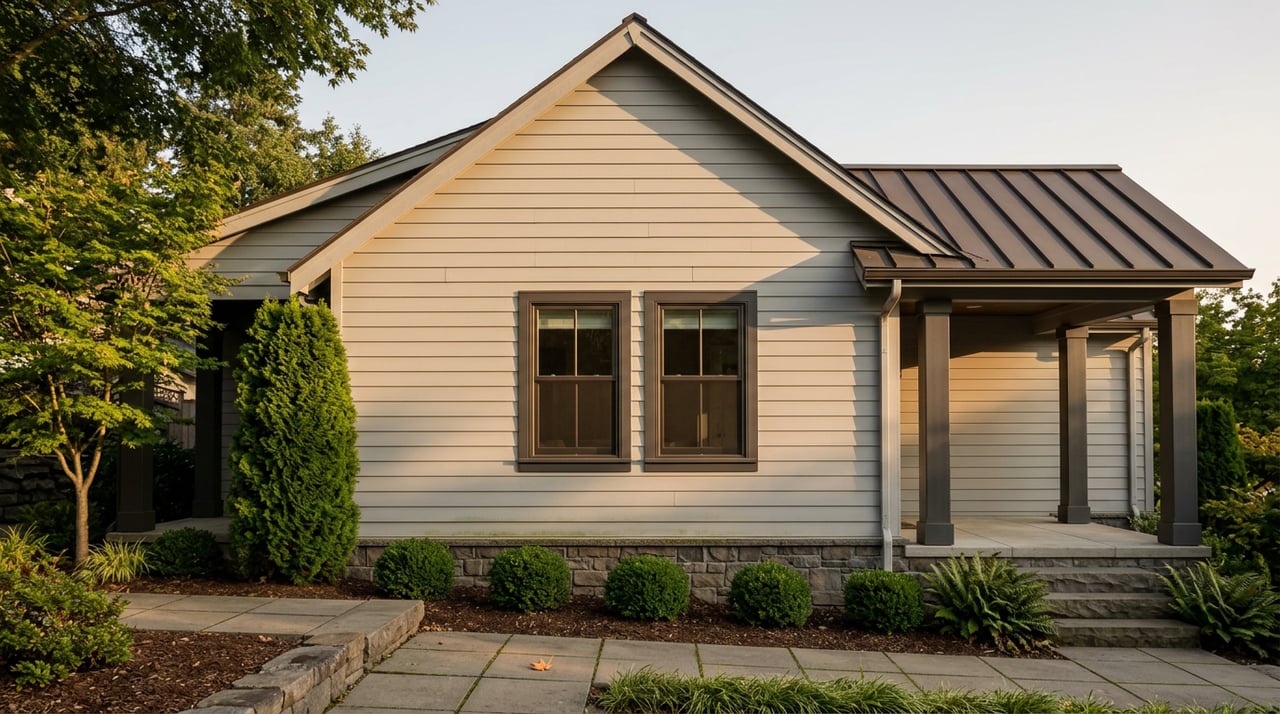
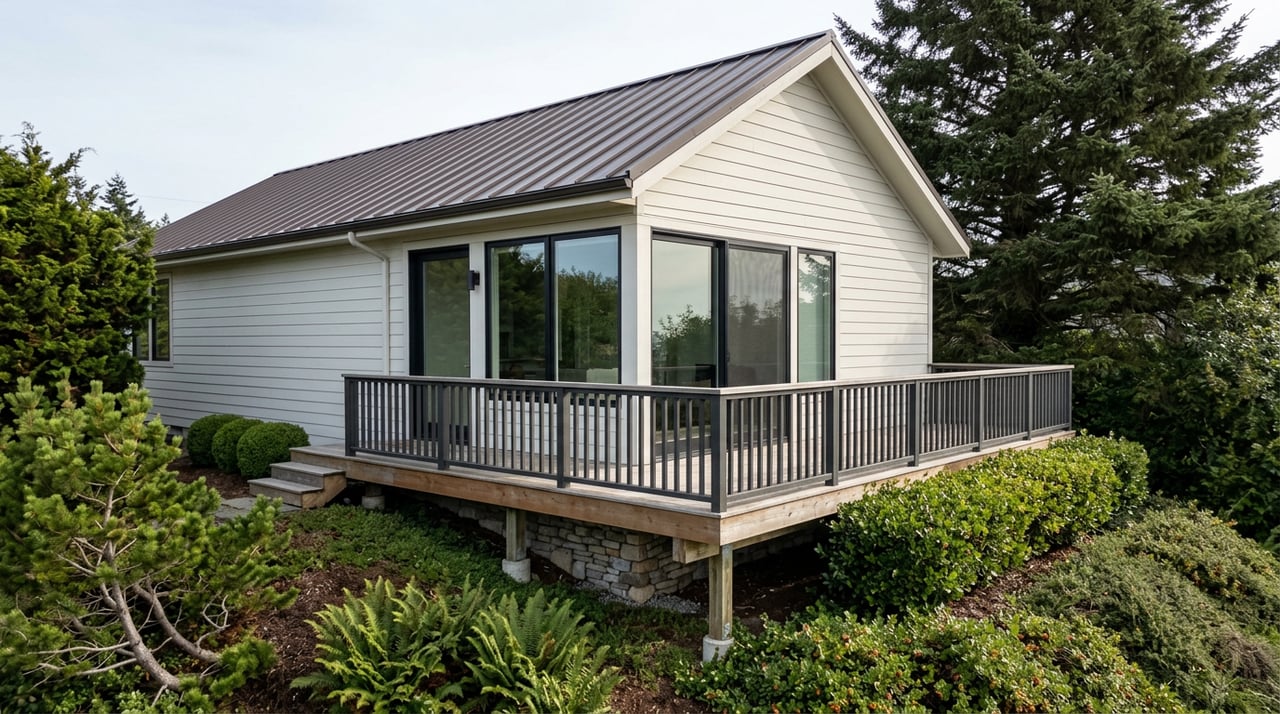
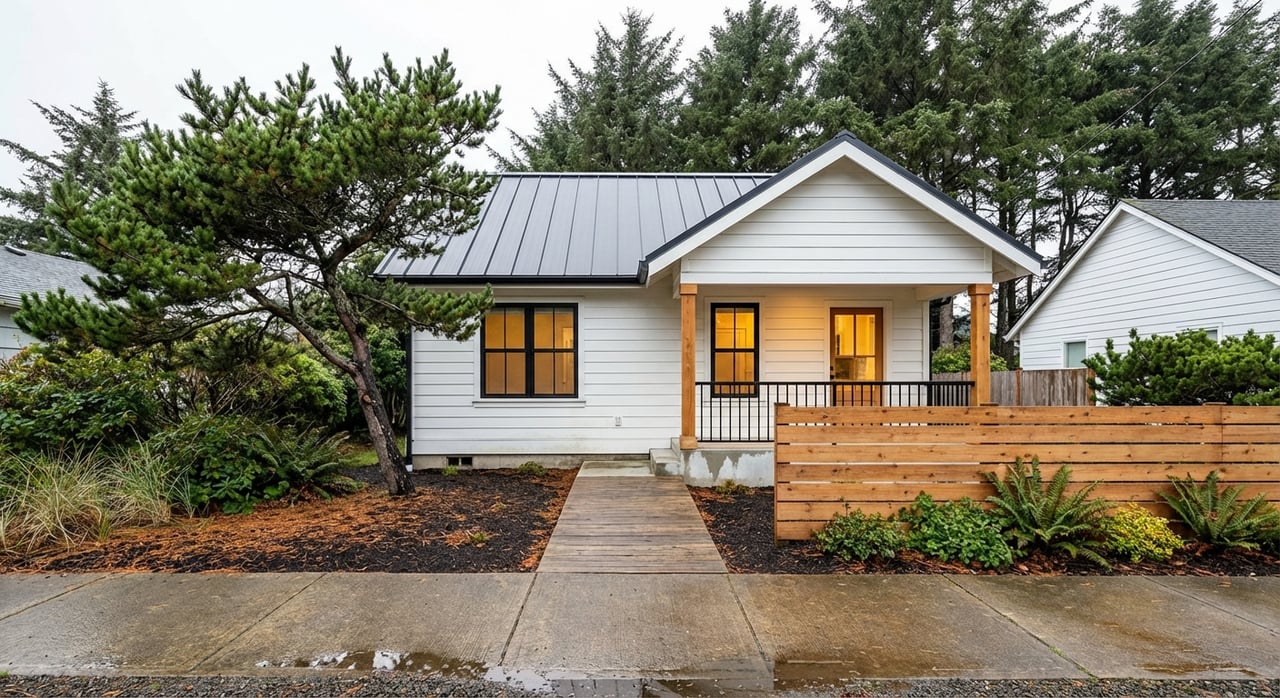
Close to the main drag you will find small cottages and classic beach houses, plus a few small multi-unit buildings. Living here often means you can step out to breakfast, hit the boardwalk in minutes, and host friends on summer weekends without ever moving your car.
Inland options and larger lots
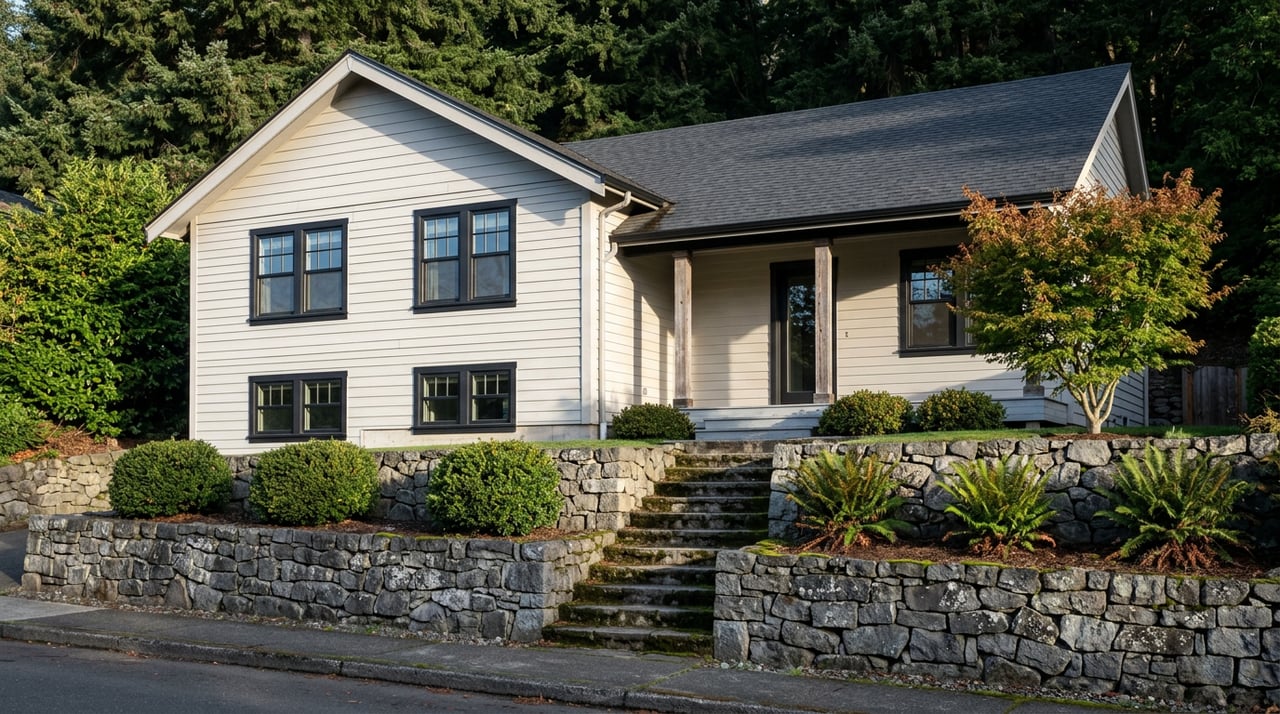
As you move off the main strip and inland, lot sizes tend to grow. You will see a mix of newer builds, manufactured homes, and more rural-feeling properties. Condition and price points vary widely, from modest fixer cottages to higher-end oceanfront or multi-acre homes.
Market snapshot and coastal costs
Recent portal snapshots place typical home values in the low to mid 300s, roughly 330,000 to 360,000 dollars for the Long Beach area. Higher-end oceanfront and acreage properties can land well above that range, and you will also find lots and some homes under six figures. Always verify specifics against the local MLS for your target neighborhood.
Coastal living also brings practical cost considerations. Insurance can differ for wind and sea exposure. If you plan exterior updates, check local permitting and shoreline or dune rules through the city’s resources. The City of Long Beach website is a good starting point for services and development questions.
- Start with the City of Long Beach’s official site.
Seasonality also shapes daily life. Many peninsula properties are used part time or as second homes, which affects parking, service hours, and crowding at peak times. Local reporting has described occasional friction during heavy tourist weekends, so most residents plan errands around the busiest windows.
- For added context on peak visitation and local rhythms, see this Seattle Times feature on South Pacific County.
Everyday services and local logistics
Healthcare access
Ocean Beach Health in nearby Ilwaco serves South Pacific County with a community-owned critical access hospital, 24-hour emergency services, and outpatient clinics. Many residents rely on it for routine and urgent needs, then travel to larger centers for specialized care.
- Explore services at Ocean Beach Health.
Groceries, coffee, and small businesses
Downtown supports year-round staples along with seasonal favorites. You will find a long-running local bakery like Dylan’s Cottage Bakery & Deli, seafood markets, coffee shops, and convenience groceries open most of the year. During winter, hours can shift, so locals often check social posts or the merchants’ listings to see who is open and when.
Schools and learning
Public schools on the peninsula serve students across Long Beach and nearby towns. Elementary, middle, and high school placements depend on district boundaries. You can review local listings and district contacts through area directories.
- See Long Beach school directory details on CityDirectory.us.
What to expect: quick checklist
- Seasonal pace. Busy, event-filled summers and quieter, stormy winters. Plan errands around peak visitor times in August.
- Walkability. Downtown is compact. The boardwalk and Discovery Trail make daily exercise easy without driving.
- Regional reach. Short drives connect you to Ilwaco and Astoria. Plan around 2.5 hours to Portland and 3.5 to Seattle for bigger trips.
- Beach driving. Follow posted closures, speed limits, and safety rules. Check tides and conditions before you go.
- Housing mix. In-town cottages near the boardwalk plus inland homes on larger lots. Wide range of condition and pricing.
- Coastal costs. Budget for insurance tailored to wind and sea exposure. Confirm permits for exterior work with the city.
- Healthcare. Ocean Beach Health in Ilwaco provides emergency and routine care for the peninsula.
- Schools. Check current district boundaries for elementary, middle, and high school assignments.
Ready to explore homes and neighborhoods?
Everyday coastal living in Long Beach rewards you with open beach, small-town pace, and just enough access to bigger hubs when you need them. If you want help comparing in-town cottages with inland lots, or you would like practical guidance on inspections and coastal maintenance, we are happy to be your local resource. Reach out to Jamay Hadley for thoughtful, hands-on help and a plan that fits how you want to live.
FAQs
What is the year-round climate in Long Beach, WA?
- Expect cool, relatively dry summers and mild, very wet winters, with annual precipitation typically ranging from about 67 to 78 inches according to Climate-Data’s Long Beach profile.
Is Long Beach, WA walkable and are there trails?
- The downtown core is walkable, with a half-mile boardwalk over the dunes and the 8.5-mile paved Discovery Trail that links Long Beach to Seaview and Ilwaco, outlined on the Evergreen Coast beach access page.
How far is Long Beach, WA from Portland and Seattle?
- Many residents plan about 2.5 hours to Portland and about 3.5 hours to Seattle depending on traffic, useful for trips to larger services cited in this Travel + Leisure coastal overview.
Can you drive on the beach in Long Beach, WA?
- Yes, in designated areas and seasons. Obey the 25 mph limit, stay on firm sand, and watch tides. Review closures and rules on the Evergreen Coast beach driving safety guide.
What are typical home prices in Long Beach, WA?
- Recent portal snapshots place typical values roughly in the 330,000 to 360,000 dollar range, with both entry-level lots and higher-end oceanfront properties sitting outside that band. Always verify specifics with current MLS data.
Where do Long Beach residents go for healthcare?
- Ocean Beach Health in nearby Ilwaco is the peninsula’s community-owned critical access hospital with 24-hour emergency services and outpatient clinics, detailed at Ocean Beach Health.
Should I plan for tsunami preparedness in Long Beach, WA?
- Yes. The coast has posted evacuation routes and plans due to Cascadia subduction zone risks. Learn about the area on the Long Beach, Washington overview.