Thinking about buying a second home in Cannon Beach? It is easy to picture the fun part first: quick weekend getaways, summer stays, and walks near the ocean. But in a small, tourism-driven coastal market like Cannon Beach, the smartest buyers look beyond the view and plan for seasonality, upkeep, local rules, and long-term ownership costs. If you want a second home that fits your lifestyle and your budget, here is what to consider before you buy. Let’s dive in.
Why Cannon Beach feels different
Cannon Beach is a four-mile-long resort town about 80 miles west of Portland and 25 miles south of Astoria, with a small full-time population of 1,489 according to the city's community information. At the same time, the city notes that peak weekend guest counts can rise dramatically, with planning materials referencing up to 20,000 visitors during busy periods. You can explore that local context on the City of Cannon Beach community page.
For you as a second-home buyer, that means you are not just buying a house. You are buying into a market shaped by tourism, seasonal demand, and periods when your property may sit empty between visits. That often makes local support, preventive maintenance, and clear ownership planning especially important.
Understand today’s price ranges
Cannon Beach is a high-value market with limited inventory, but the type of home you choose can shape your budget in a big way. According to Zillow’s Cannon Beach home values and listing data, the average home value was $875,856 as of March 31, 2026, with a median list price of $891,333 and 27 homes for sale.
At the same time, Redfin’s Cannon Beach market data shows a median sale price of $590,000 and homes going pending in about 70 days. Those numbers measure different things, so they are not directly comparable, but together they point to a market where prices can vary widely by property type, condition, and location.
A practical way to think about the market is:
- Entry-level second homes: smaller condos or cottages in the high-$300,000s to mid-$500,000s
- Midrange options: 3-bedroom homes and well-located townhomes in the $700,000s to just under $1 million
- Upper-end properties: larger view homes or ocean-adjacent homes at $1 million and up
Recent local inventory has included houses, condos, and townhouses, with recent closed sales on Redfin ranging from a 2-bedroom condo around $390,000 to a 4-bedroom coastal home at $2.65 million.
Choose the right property type
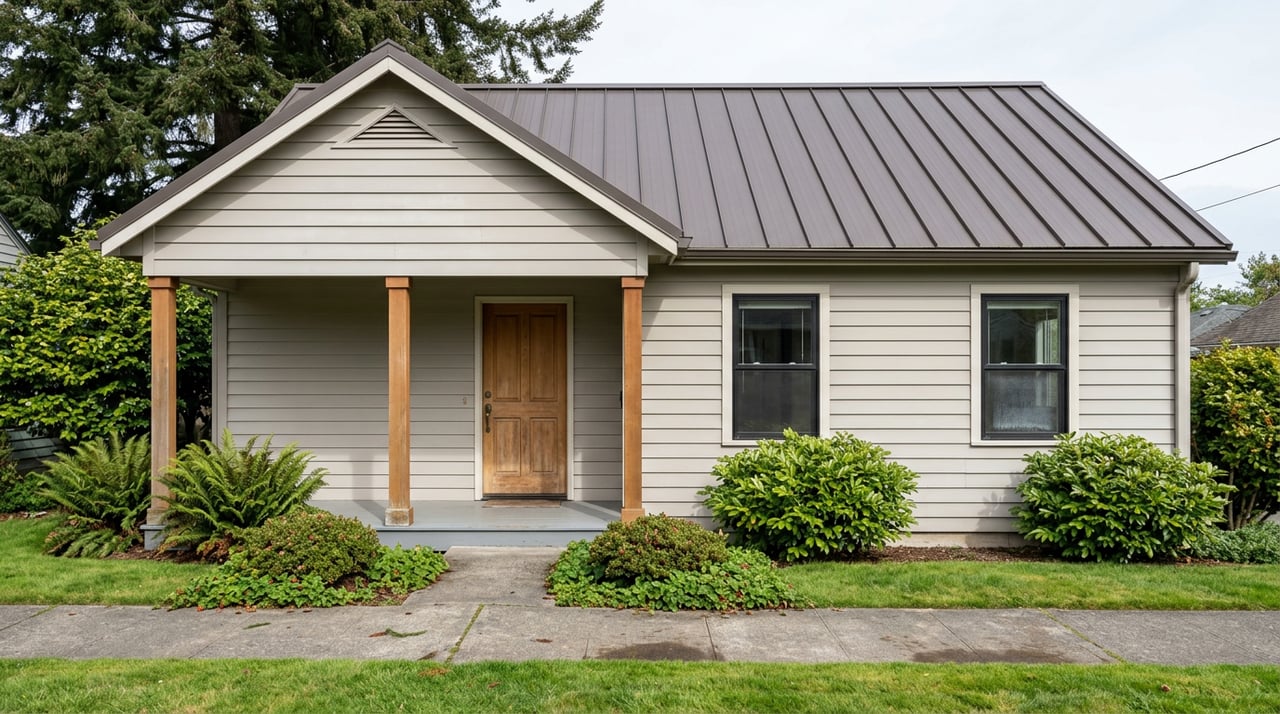
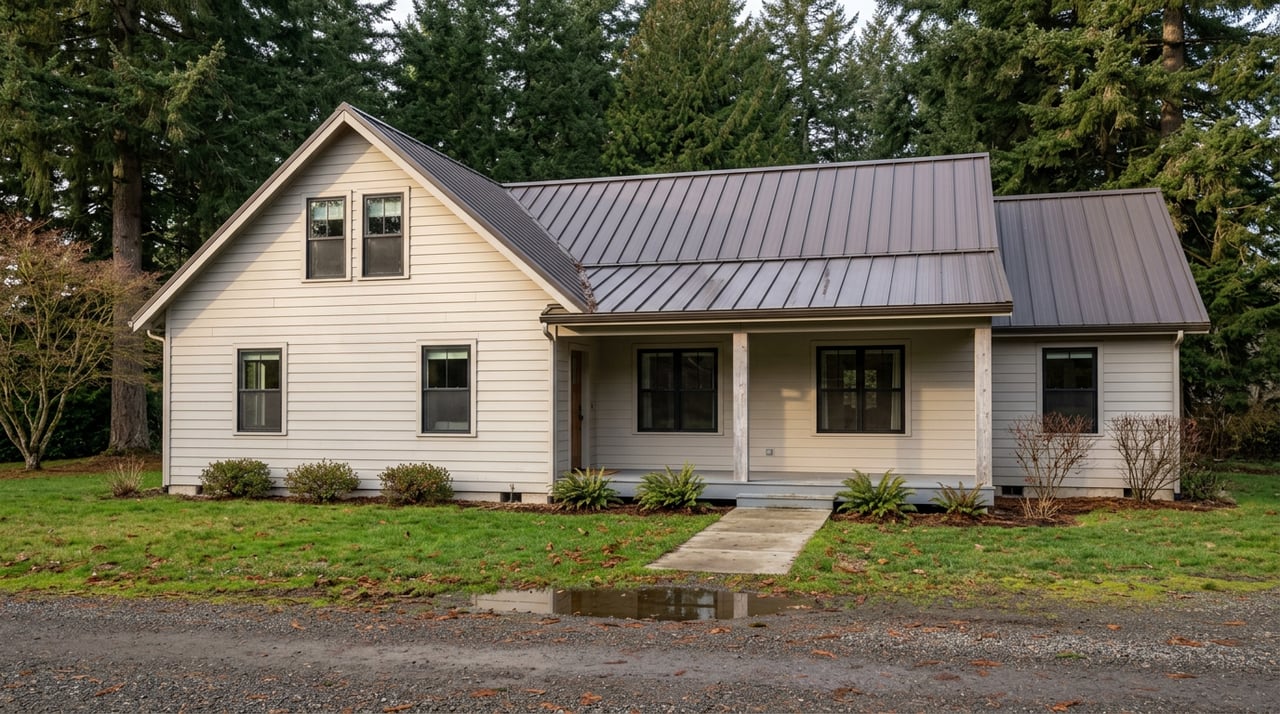
Not every second home in Cannon Beach works the same way. A condo, townhouse, cottage, or larger detached home can create very different ownership experiences.
If you want easier lock-and-leave use, a condo or townhouse may be worth a close look. Recent market data shows a modest condo and townhouse presence, and that kind of property may fit buyers who want frequent use with less exterior maintenance.
If you want more space, privacy, or flexibility, a detached home may be a better fit. Just remember that more square footage, more decking, and more exposed exterior surfaces usually mean more upkeep over time.
Redfin’s home trend data also highlights features like furnished interiors, fireplaces, attached garages, and 3-bedroom, 2-bath layouts as common value points in Cannon Beach. You can review those local trends through Redfin’s Cannon Beach home trends, and they line up well with what many second-home buyers want: a property that is comfortable to use right away.
Compare oceanfront and in-town homes
The biggest choice many buyers face is whether to prioritize direct ocean proximity or look for an in-town property with easier ownership. In Cannon Beach, that decision affects more than your view.
Oceanfront homes bring more exposure
The city’s coastal erosion information identifies several erosion concern areas, including Silver Point, the S-Curves, and the Ecola Creek mouth. The city notes that erosion can threaten roads, utilities, and public safety.
Oregon’s land use framework adds another layer. Under Statewide Planning Goal 18, beaches and dunes are considered highly dynamic, and development is limited on the most sensitive and hazardous landforms. Protective structures such as seawalls and riprap are also restricted in many situations, which matters if you are thinking long term about shoreline protection.
In-town homes may be simpler to manage
An in-town property can still offer easy beach access while reducing some direct shoreline exposure. That does not remove all risk, but it may offer a more manageable ownership experience if your goal is regular use with fewer major unknowns.
For many buyers, this comes down to priorities. If your top goal is the closest possible relationship to the water, you may accept more maintenance and more hazard review. If you want a reliable weekend retreat, an in-town home or condo may be the more practical fit.
Review flood and tsunami exposure early
Even if a home is not oceanfront, you should check flood and tsunami conditions before you get too far into the process. Cannon Beach participates in the National Flood Insurance Program and offers free flood-zone determinations, along with some FEMA elevation certificate records and contractor references for floodproofing support. The city explains those resources on its flood information page.
This is an important point for second-home buyers because homeowners insurance does not cover flood damage, including tsunami damage, and flood insurance generally has a 30-day waiting period. The same city resource also notes that people in low-lying areas may need to react before an official tsunami warning arrives, and DOGAMI says a local Cascadia tsunami could reach the coast in 10 to 20 minutes.
That does not mean you should avoid the market. It means you should do your due diligence early and understand how location affects insurance, emergency planning, and comfort level.
Plan for coastal maintenance
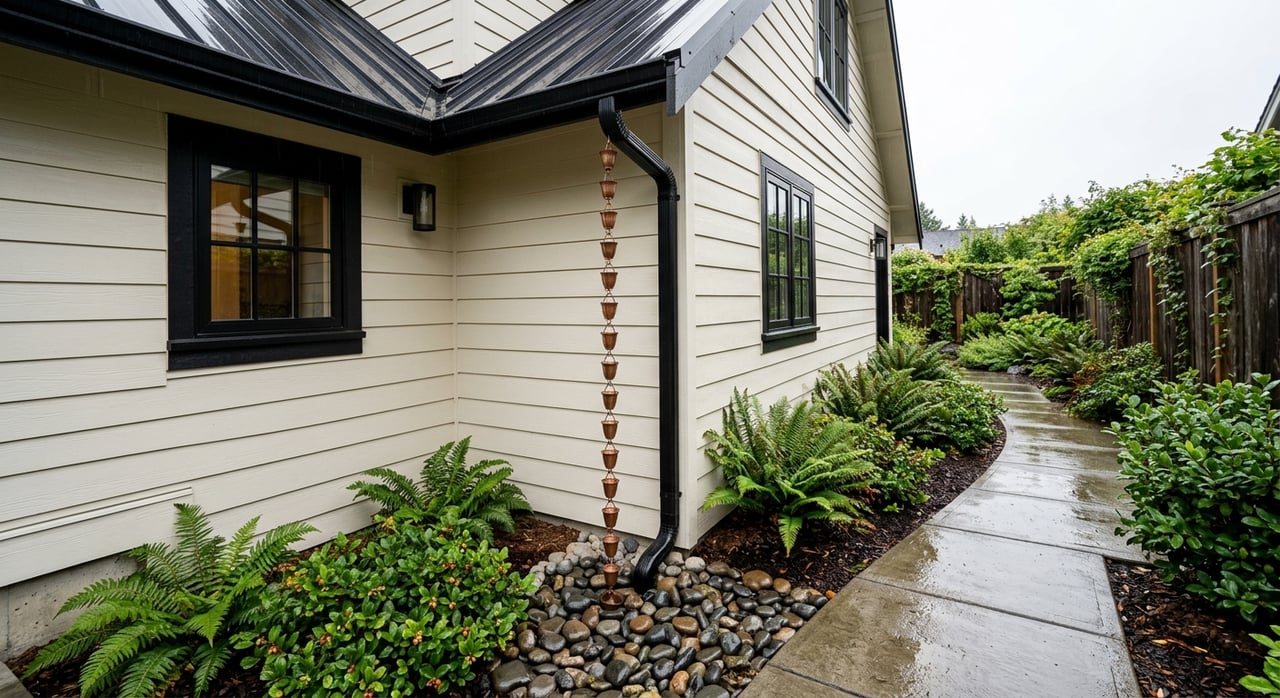
A second home near the ocean usually needs more upkeep than an inland property. Salt air and marine exposure can shorten the life of exterior materials and metal components.
According to Oregon Department of Transportation guidance on corrosive environments, marine areas are among the most highly corrosive conditions because of salt spray and ocean proximity. For you, that can mean more frequent attention to:
- Exterior paint
- Decking and railings
- Fasteners and exposed metal
- Windows and seals
- Roofing and trim
This is where practical property selection matters. A home that is slightly inland, better sheltered, or already updated with coastal conditions in mind may be easier to own than a property that needs immediate exterior work.
Use local tools for due diligence
Before you buy, look beyond the listing photos. Cannon Beach offers a parcel-level GIS tool that can help you review zoning, wetlands, flood elevation, and oceanfront overlay information for a specific property through the city’s flood information resources.
That kind of early review can help you spot issues that affect use, renovation planning, insurance, or future resale. In a market like Cannon Beach, modest details can have a big impact on ownership costs and long-term flexibility.
Know the real carrying costs
Your monthly payment is only part of the picture with a second home. Oregon property taxes are based on assessed value, and Clatsop County handles local valuation, tax statements, and collections through the state property tax system described by the Oregon Department of Revenue.
You will also want to budget for:
- Property taxes
- Insurance, including possible flood coverage
- Routine maintenance
- Seasonal repairs
- Utility costs during vacant periods
- Occasional contractor or service visits
This matters in Cannon Beach because many second-home owners use the property part time. If the home sits empty between visits, small maintenance issues can turn into expensive repairs when they go unnoticed.
Check short-term rental rules carefully
If you hope to offset costs by renting the property when you are away, do not assume every home can be used that way. Cannon Beach’s short-term rental rules are zoning-based and specific.
The city says 14-day short-term rental permits are allowed only in RVL, RL, R1, R2, R3, MP, or RAM zones. The city also says short-term rentals are not permitted in accessory dwelling units, and annual audit forms are required.
Just as important, the city notes that these regulations were recently amended and are still being studied by a task force. If rental income is part of your buying strategy, you should verify current rules at the parcel level before moving forward.
You should also account for the local transient room tax, which the city says increased after approval in July 2023 and took effect in January 2024. That tax affects cash-flow planning and should be part of your rental math from day one.
Match the home to your actual use
The best second home is not always the most dramatic one. It is the one that fits how you will really use it.
If you expect quick weekend trips, a low-maintenance condo or an in-town home may serve you better than a larger ocean-exposed property. If you plan to host family often or stay for longer stretches, a detached home with more bedrooms and storage may be worth the extra cost and upkeep.
Try asking yourself a few practical questions:
- How often will you realistically visit each year?
- Do you want a turnkey home or a project?
- Are you comfortable with coastal maintenance demands?
- Is rental income a bonus or a core part of your budget?
- Do you want walkability, privacy, or direct ocean proximity most?
Your answers can help narrow the search faster than price alone.
Work with local guidance
In a market like Cannon Beach, local knowledge matters. Small differences in location, zoning, exposure, and condition can change the ownership experience in a big way.
That is especially true if you are buying from out of area or considering a property that may need updates. Having guidance on inspections, repair scope, maintenance planning, and realistic carrying costs can help you avoid surprises and choose a home that feels enjoyable instead of overwhelming.
If you are exploring a second home in Cannon Beach, Jamay Hadley can help you evaluate property type, location, and ownership fit with practical local insight and a full-service approach.
FAQs
What should you consider before buying a second home in Cannon Beach?
- You should review price range, property type, maintenance needs, flood and tsunami exposure, carrying costs, and whether local short-term rental rules fit your plans.
Are oceanfront homes in Cannon Beach riskier than in-town homes?
- Oceanfront homes can have greater exposure to coastal erosion, salt-air wear, and shoreline-related limits, while in-town homes may offer a simpler ownership experience with fewer exposure concerns.
Can you use a Cannon Beach second home as a short-term rental?
- Possibly, but only if the property is in an eligible zone and meets current city rules, so you should verify zoning and permit requirements before you buy.
Do you need flood insurance for a second home in Cannon Beach?
- That depends on the property’s location and your lender requirements, but Cannon Beach says standard homeowners insurance does not cover flood damage, including tsunami damage.
What types of second homes are common in Cannon Beach?
- The market includes detached houses, condos, and townhouses, with options ranging from smaller entry-level condos to larger ocean-adjacent homes above $1 million.
Is Cannon Beach a good fit for part-time coastal living?
- It can be, especially if you want a seasonal coastal retreat and are prepared for the planning, upkeep, and local due diligence that come with owning in a tourism-driven beach market.