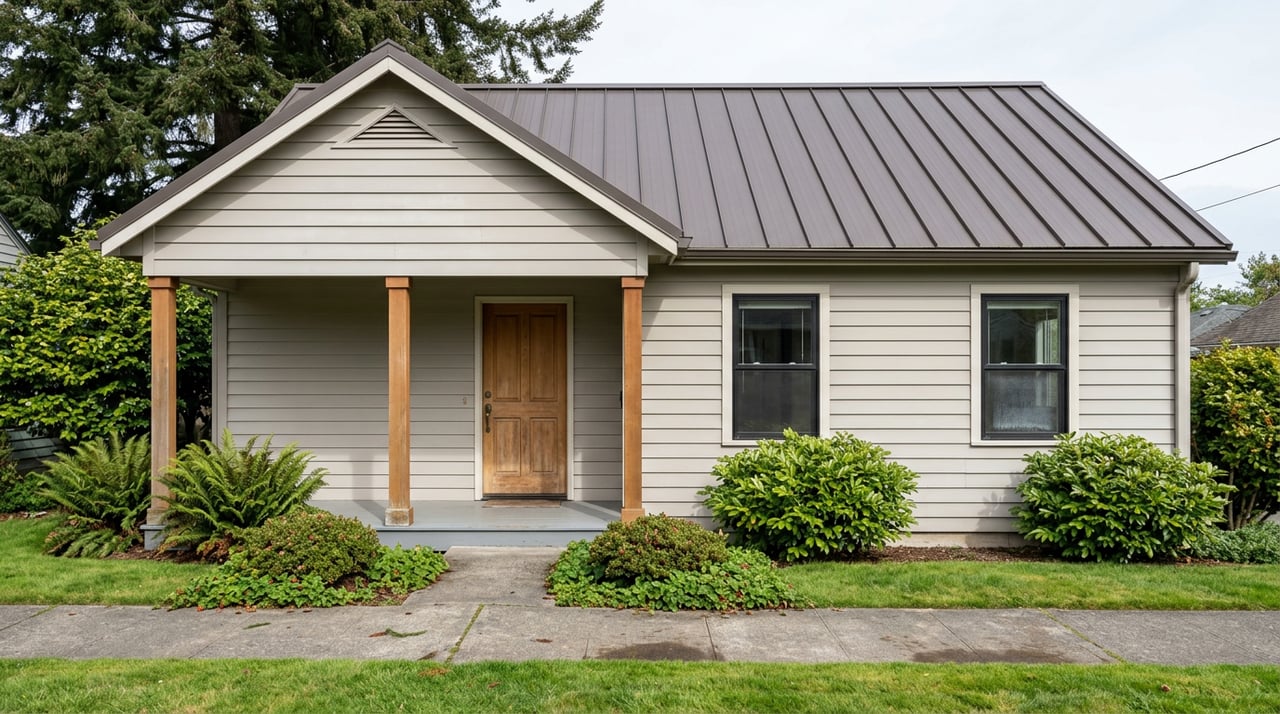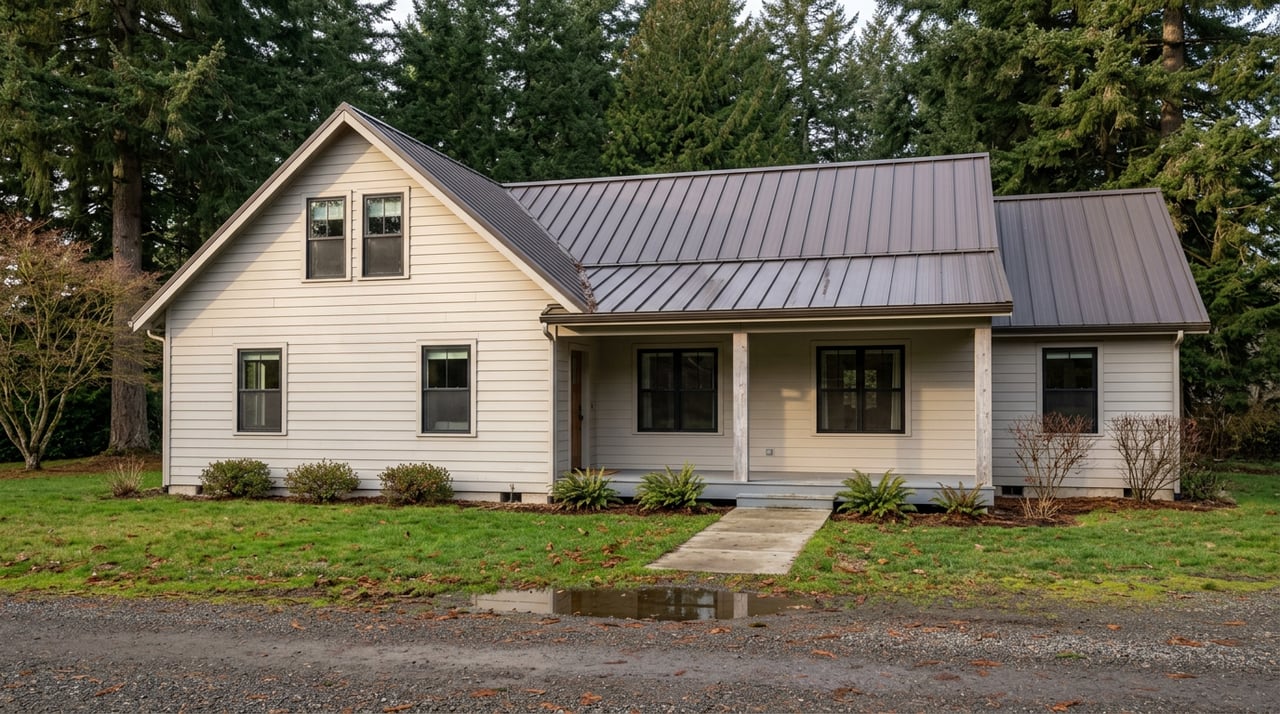
Wondering whether your Seaside home should be a vacation rental or a long-term rental? It is a smart question, especially on the North Coast where summer visitor demand can be strong, winter weather can be hard on homes, and local rules can shape what is actually possible. If you are weighing income potential, management time, and property upkeep, this guide will help you compare the two paths and think through what fits your goals best. Let’s dive in.
Why Seaside rentals need a local strategy
Seaside is active year-round, but it still follows a seasonal tourism pattern. The city has noted that visitors come throughout the year, with summer as the peak season, and it has even funded programs to encourage more overnight stays in fall, winter, and spring, according to the City of Seaside tourism update.
That seasonality matters when you are planning rental income. A vacation rental may see stronger demand during warmer months, while a long-term rental may offer steadier occupancy across the year. Your decision is not just about revenue, though. It is also about regulation, maintenance, and how much hands-on involvement you want.
Short-term rentals in Seaside
If you are thinking about nightly or weekly stays, Seaside has a very specific framework for short-term rentals. The city requires a short-term rental business license permit for rentals of less than 30 days, and not every home qualifies.
The city says short-term rental use must be accessory to the property, and the primary use should remain the owner’s personal residence, second home, or another primary residential use. It also states that only one short-term rental business license is allowed per owner or ownership.
Eligibility depends on the property
In Seaside, short-term rental eligibility is tied to location and neighborhood-specific rules rather than a simple citywide yes or no. The city does not cap the total number of vacation rental dwellings overall, but it does apply spatial-distribution limits within 100 feet of the parcel in certain zones, as outlined on the city’s spatial distribution page.
Current city materials describe 30% or 50% density limits in some R-2 and R-3 areas, with higher allowances in oceanfront and RR areas. The city has also described waiting periods for some new applications. Duplexes and triplexes are not eligible for a VRD business license under the current framework.
Operations are more involved
Running a short-term rental in Seaside is not passive. The city requires annual compliance inspections for new licenses, and each vacation rental dwelling must have a local contact who lives in Clatsop County and can respond within two hours, according to the short-term rental application and information page.
You also need to meet practical site requirements. Required postings include good-neighbor guidelines, a tsunami evacuation map, and a parking map. The city requires at least two off-street parking spaces, plus one additional space for each bedroom over two, and occupancy is calculated as three people per bedroom.
Taxes add another layer
For short stays, taxes are part of the math. Seaside says the lodging tax applies to stays of 29 nights or less, and the city has shared updated information through its transient lodging tax guidance.
Clatsop County says its countywide transient room tax will increase to 3% effective January 1, 2026. Oregon’s state lodging tax remains 1.5%, and the Oregon Department of Revenue lodging tax page notes that filing rules can vary if a transient lodging intermediary handles all bookings. Even if a booking platform collects some taxes, Seaside says operators are still responsible for quarterly reporting.
Long-term rentals in Seaside
A long-term rental usually means a lease of 30 days or more. In that setup, you move out of the transient lodging system and into Oregon’s residential landlord-tenant framework.
That can simplify some parts of ownership. A long-term rental typically avoids nightly guest turnover, frequent cleaning coordination, and lodging tax administration on qualifying stays. The Oregon Department of Revenue says a stay of 30 or more consecutive days is not subject to the state lodging tax.
State landlord-tenant rules apply
Long-term rentals come with a different type of responsibility. Oregon’s Judicial Department points landlords and tenants to statewide landlord-tenant resources, and the Oregon Real Estate Agency identifies ORS Chapter 90 as the governing landlord-tenant law.
For owners, that means the focus shifts to lease terms, screening, deposits, required notices, and process compliance. Oregon’s 2026 rent stabilization guidance says the maximum annual rent increase for many covered residential tenancies is 9.5% for 2026. Seaside also notes on its general business license page that anyone doing business for profit inside city limits needs a city business license, so it is important to confirm whether your specific long-term rental setup triggers that requirement.
Vacation vs. long-term: what changes most?
Both strategies can work in Seaside, but they serve different goals. The best choice usually depends on how you want to use the home, how involved you want to be, and whether the property qualifies for short-term use in the first place.
| Factor | Vacation Rental | Long-Term Rental |
|---|---|---|
| Stay length | Less than 30 days | 30 days or more |
| Local regulation | STR permit and city rules apply | Oregon landlord-tenant rules apply |
| Taxes | Lodging taxes and quarterly reporting may apply | State lodging tax does not apply to 30+ day stays |
| Management style | High turnover and guest coordination | Ongoing lease and tenant management |
| Property use | Often suits second homes and mixed personal use | Better for steady occupancy |
| Setup needs | Parking, postings, local contact, inspections | Lease, screening, notices, deposits |
Coastal maintenance matters either way
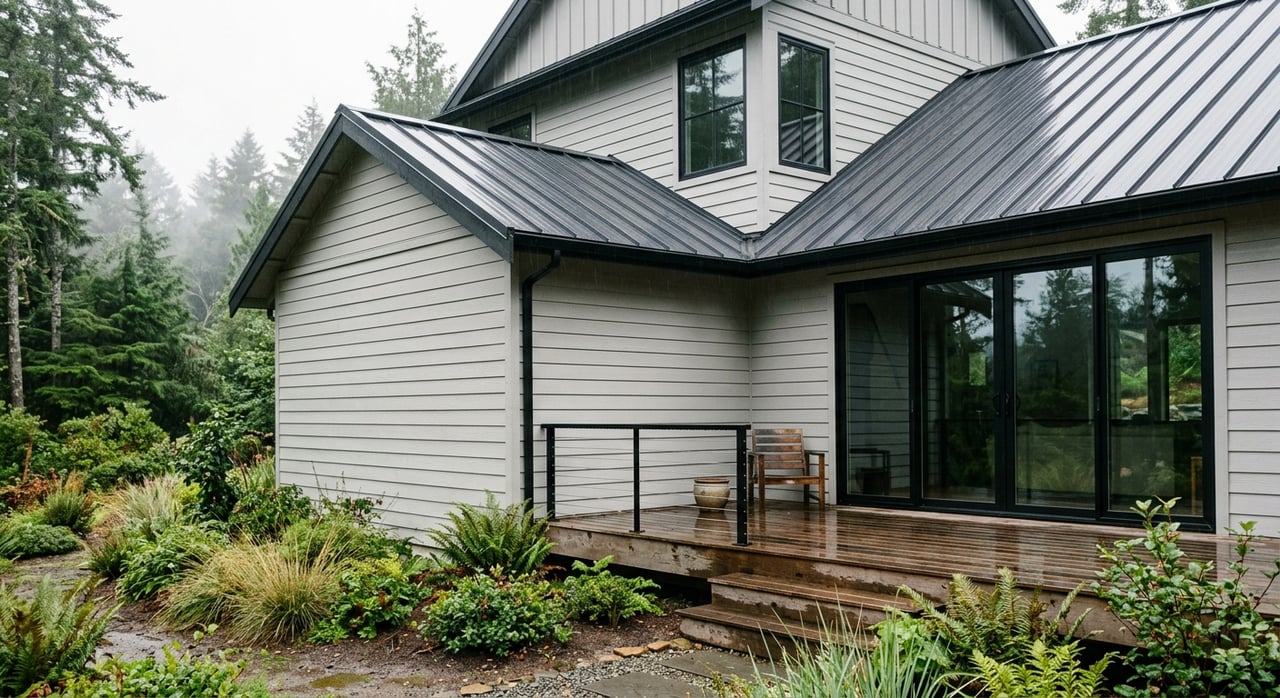
Seaside rentals face conditions many inland owners do not. NOAA’s climate data for nearby Astoria shows that nearly 90% of annual rainfall occurs between early October and mid-May, with winter weather shaped by rain, wind, fog, and occasional storm surge, based on the NOAA climate book.
That kind of weather can affect your costs and your renovation choices. Moisture management is not optional on the North Coast. It is part of protecting the home and avoiding bigger repair bills over time.
Smart upgrades for Seaside rentals
OSU Extension warns that ignoring moisture and insect damage can become expensive. Its mold guidance says indoor humidity should stay below 50% and recommends avoiding carpeting in moisture-prone areas such as bathrooms and basements.
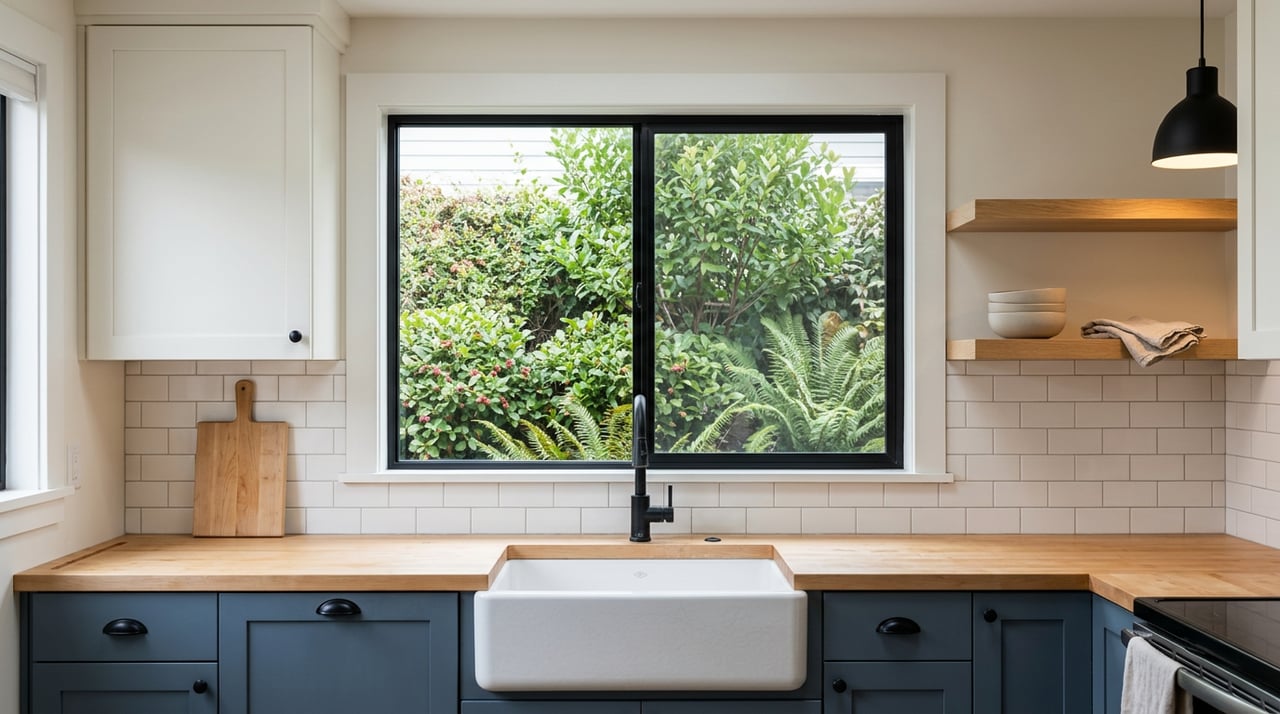
For many Seaside owners, that points to durable and easy-to-maintain materials. Useful upgrades often include:
- Easy-clean flooring instead of delicate finishes in high-moisture areas
- Strong ventilation in bathrooms and laundry areas
- Durable surfaces that hold up to sand, wet shoes, and frequent cleaning
- Practical storage for beach gear and outerwear
- Clear parking and emergency wayfinding for guest-facing properties
If you are leaning toward a vacation rental, guest durability and straightforward systems matter even more. If you are planning a long-term rental, the priority often shifts to reliable systems, neutral finishes, and lower lifecycle costs.
Questions to ask before you decide
Before you commit to one strategy, it helps to get clear answers on the basics. Rules and taxes can change, and small details can have a big impact on what your property can do.
Start with these questions:
- Is the property currently eligible for short-term rental use under Seaside zoning and density rules?
- Does a recent sale or new construction create a waiting period?
- Which taxes are collected automatically by a booking platform, and what still needs to be filed quarterly?
- Who will serve as the required local contact, and can they meet the two-hour response requirement?
- If you choose a long-term rental, what lease, screening, deposit, and rent-increase rules apply?
How to choose the right path
If you want more flexible personal use and your property qualifies, a vacation rental may be worth exploring. It can fit second-home owners who are comfortable with more active management, added compliance, and seasonal swings in demand.
If you want steadier occupancy and a simpler operating model, a long-term rental may be the better fit. It trades guest turnover and lodging-tax administration for lease management and Oregon landlord-tenant compliance.
The right answer often starts with the property itself. In Seaside, location, zoning, parking, coastal wear, and your renovation budget all matter. That is where local guidance can make a big difference, especially if you are buying with rental plans in mind or preparing to sell a home with investment appeal.
If you are weighing your options for a Seaside property, Jamay Hadley can help you look at the home through both a market and property-condition lens so you can move forward with more confidence.
FAQs
Does every Seaside home qualify as a vacation rental?
- No. Seaside requires a short-term rental business license for rentals under 30 days, and city rules say not all homes qualify based on property type, zoning, and spatial-distribution limits.
What taxes apply to a Seaside vacation rental?
- For stays of 29 nights or less, Seaside says lodging tax applies, Clatsop County’s transient room tax is increasing to 3% effective January 1, 2026, and Oregon’s state lodging tax remains 1.5%.
Are 30-day rentals taxed like short-term stays in Oregon?
- No. The Oregon Department of Revenue says stays of 30 or more consecutive days are not subject to the state lodging tax.
What is required to run a short-term rental in Seaside?
- Seaside requires a short-term rental business license, annual compliance inspections for new licenses, a local Clatsop County contact who can respond within two hours, required postings, and minimum off-street parking.
Why is maintenance such a big issue for Seaside rentals?
- Coastal weather brings heavy seasonal rain, wind, fog, and moisture exposure, which can increase wear on the home and make ventilation, durable materials, and moisture control especially important.
Is a long-term rental easier to manage than a Seaside vacation rental?
- It can be simpler in some ways because it usually avoids nightly turnover and lodging-tax administration, but it still requires compliance with Oregon landlord-tenant rules, lease management, deposits, notices, and screening.