Trying to choose between a brand-new build or an existing home in Warrenton? On the coast, the right fit comes down to your timeline, maintenance comfort, and how the location handles hazards like flooding. In this guide, you will compare real costs, inspections, permits, and risk so you can choose with confidence. Let’s dive in.
How Warrenton location shapes your choice
Warrenton sits at the mouth of the Columbia River, with neighborhoods that feel different depending on how close you are to bays, estuaries, or the ocean. Some areas offer a walkable in-town feel while others are lower density with more privacy. The City’s residential zones guide what can be built and how utilities are served. Before you fall in love with a home or lot, confirm zoning on the City of Warrenton zoning map.
On the coast, hazards influence insurance and long-term plans. Check DOGAMI’s neighborhood tsunami evacuation and inundation resources for Warrenton areas using the Oregon Tsunami Clearinghouse. Then look up the address in FEMA’s Flood Map Service Center to see if the property sits in a flood zone that could affect premiums and lending.
What to expect with new construction
Floor plans, finishes, and lot types
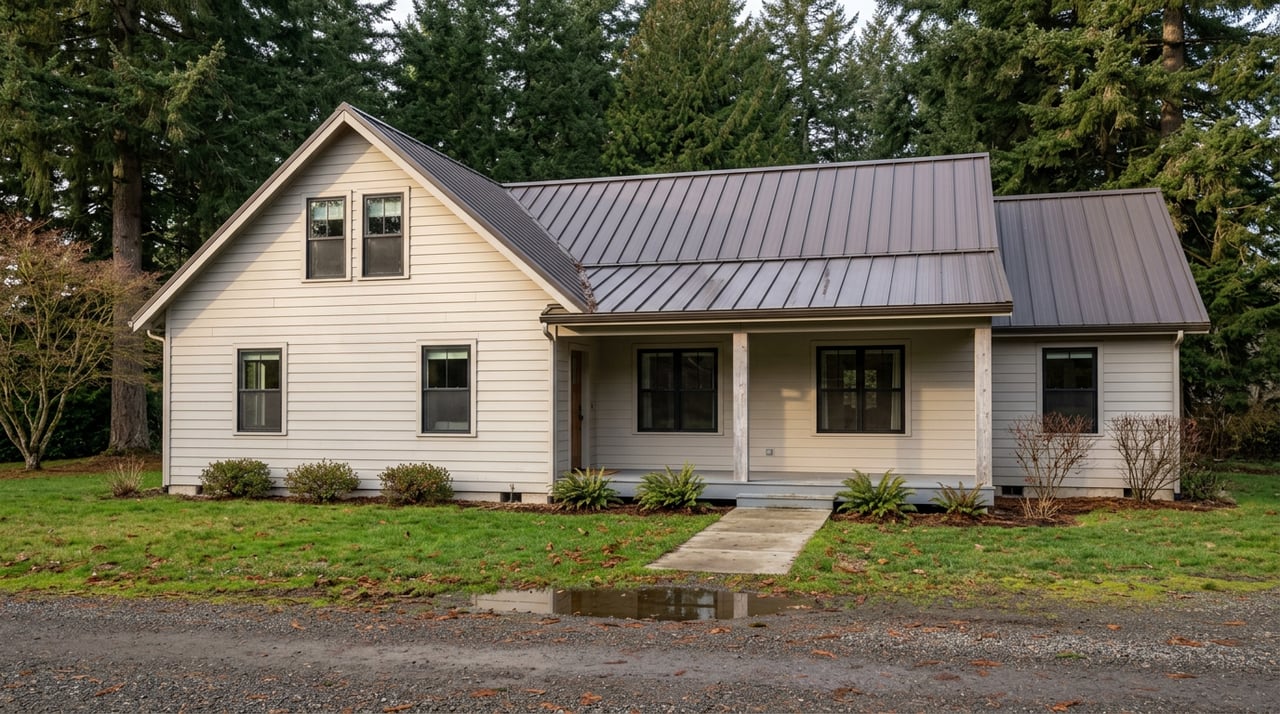
New homes in and around Warrenton commonly offer 2 to 4 bedrooms, open kitchens, modern electrical and plumbing, and energy-forward features like heat pumps. Many include quartz counters, engineered flooring, and smart-home touches. Lot sizes vary a lot. You will see compact townhomes near services and larger 1-plus acre builds in lower-density areas that prioritize space and privacy.
Timeline and process
Building a home takes time. National data place many production builds in the 7 to 12 month range from permit to completion, with custom projects taking longer. For a general overview of stages and timing, review this summary of national construction timelines. Your specific path depends on permits, site work, weather, change orders, and builder capacity.
Warranties, permits, and choices
Many builders provide limited warranties, which helps reduce near-term maintenance surprises. Still, confirm coverage in writing and schedule a pre-close walkthrough to build a thorough punch list. The City uses Oregon’s ePermitting system for building permits; you can review requirements and forms under Apply for a Permit. If you want to customize plans after signing, ask how change orders are priced and how they affect your schedule.
What to expect with existing homes
Character and locations
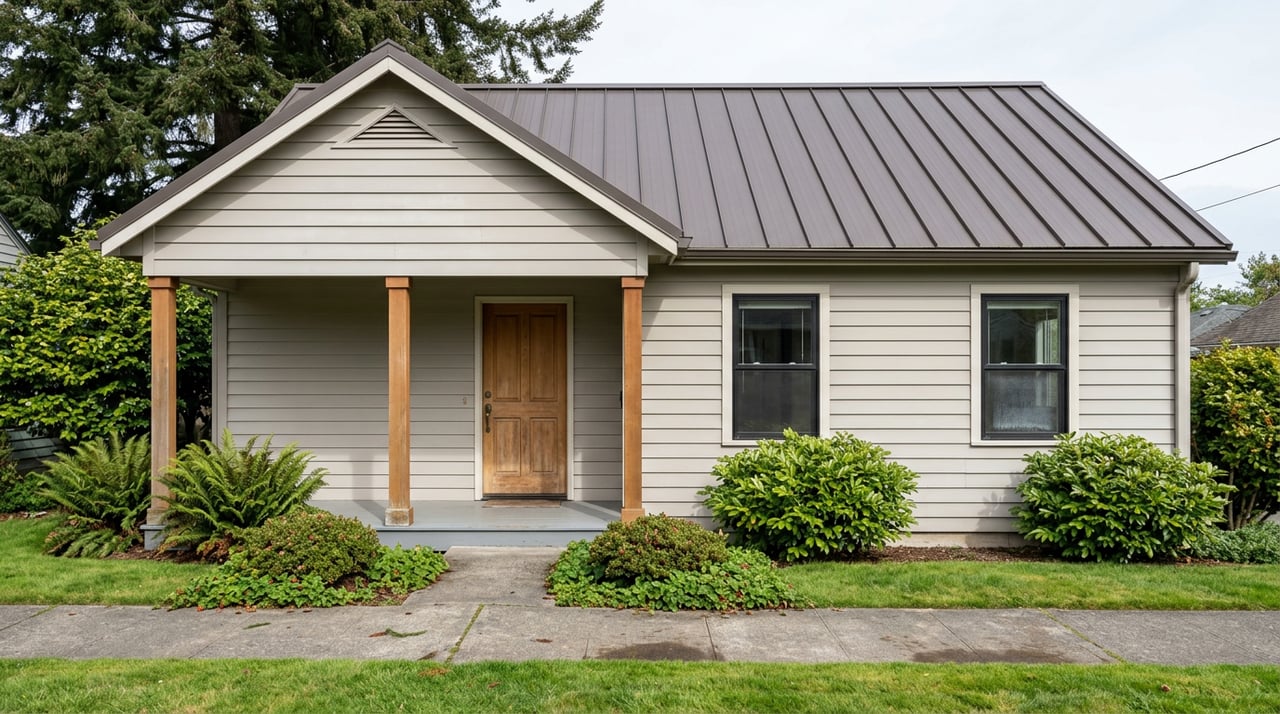
Warrenton’s existing stock ranges from modest cottages and mid-century homes near town to older homes on the edges with larger parcels. In-town streets often offer smaller lots with convenient access to shops and services. If you value a settled neighborhood feel and established landscaping, an existing home may fit well.
Coastal maintenance to budget
Coastal weather accelerates wear. Salt air can corrode metal components, moisture can push into weak spots, paint and finishes may need attention sooner, and unprotected wood can rot. Older systems, including roofs, wiring panels, and galvanized plumbing, may be nearing the end of their useful life. Hire an inspector with coastal experience and consider targeted checks for moisture, sewer or septic, HVAC, and pest. This coastal-focused inspection guide explains what to expect and why it matters: home inspection tips for Oregon Coast buyers.
Renovation and permits
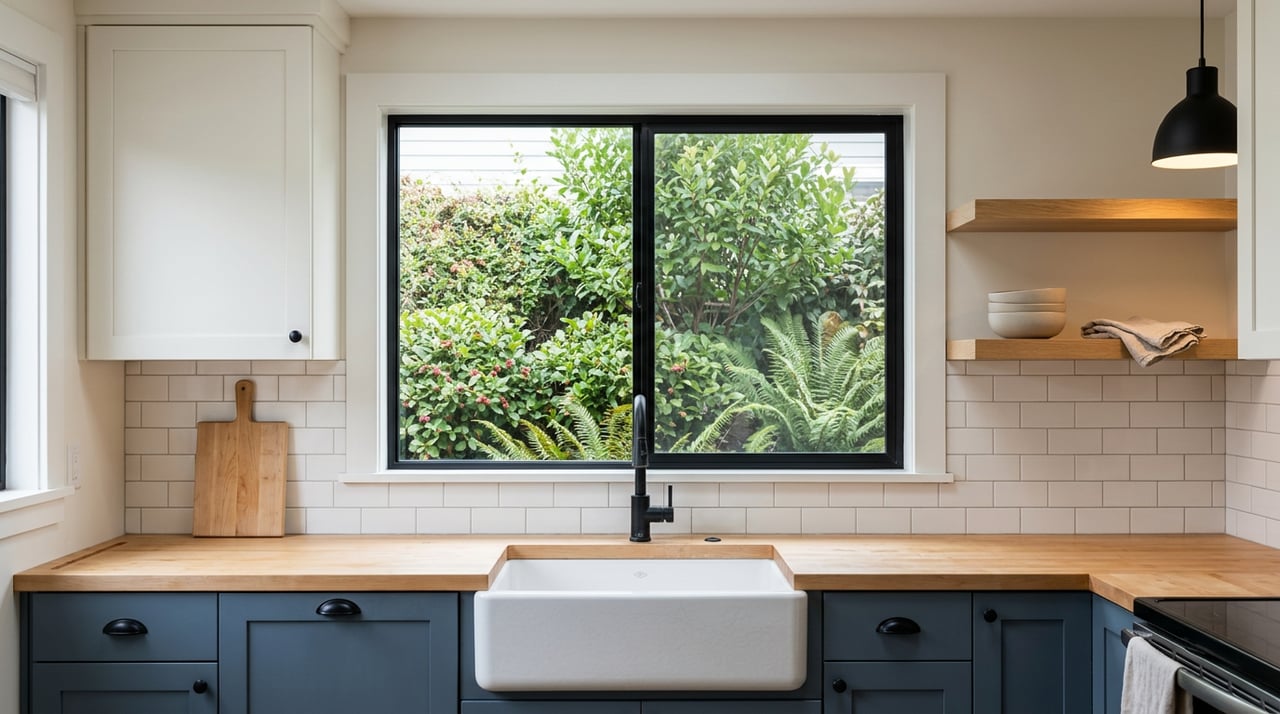
Older homes often offer great ways to add value through kitchen and bath updates, insulation upgrades, heat-pump installations, or improved layouts. Any structural, electrical, or plumbing work needs permits. Verify that past work was permitted and closed properly, and review current submittal steps with the City’s permitting page.
Side-by-side: new build vs existing in Warrenton
Price and short-term cost
- New build: Often priced higher for modern systems, energy efficiency, and warranties. You will have fewer immediate repairs, but plan for upgrade costs if you customize finishes or layout.
- Existing: Purchase price may be lower, but budget for repairs and updates. Common near-term items include roof work, paint, system upgrades, and coastal moisture mitigation.
Timeline to move in
- New build: Measured in months. Most buyers should plan for 7 to 12 months from permit to completion, plus time for selections and inspections.
- Existing: If financing is standard and inspections are clean, closings often land in 30 to 60 days.
Condition and inspections
- New build: Schedule a pre-close independent inspection plus a final walkthrough and punch list. Confirm which items the builder will address and what the warranty covers.
- Existing: Order a full inspection, then add targeted checks as needed. On the coast, moisture scans and HVAC checks are smart adds. See this coastal guide to plan your due diligence: Oregon Coast home inspection tips.
Permits and renovation friction
- New build: After contract, changes usually require a formal change order that can increase cost and time. Ask for the builder’s policy up front.
- Existing: Expect permits for most upgrades, which adds time. Review City submittals and inspections under Apply for a Permit.
Insurance, hazards, and long-term risk
- Both: Coastal hazards like tsunami risk, storm surge, and flooding can affect premiums and approvals. Start with DOGAMI’s tsunami and evacuation resources and then check FEMA’s flood maps. Get address-specific insurance quotes early, since carriers vary.
Financing differences
- New construction: If you build from scratch, you may use a construction loan, which funds in stages and has different requirements than a standard mortgage. For a nearly finished spec home, traditional financing may be available. Ask your lender early about options and timing.
- Existing: Most buyers use standard conventional, FHA, or VA loans, subject to property condition and appraisal.
Resale and long-term value
- New: Move-in-ready systems and energy efficiency appeal to future buyers. Long-term value depends on location, build quality, and community growth.
- Existing: Homes in established areas with unique features can hold value well. Renovation quality and documented permits support resale.
Quick buyer checklist for Warrenton
Use this list to compare a new build and an existing home side by side.
- Confirm the exact zoning and allowed uses on the City zoning map.
- Ask for permits and permit history, the builder’s warranty and punch-list policy, any HOA documents, and recent repair invoices. Review City steps under Apply for a Permit.
- Order a full home inspection with a coastal-experienced pro, plus targeted checks as needed. This coastal inspection guide covers common issues.
- Check hazards early. Review DOGAMI’s tsunami maps and evacuation info and FEMA’s flood maps for the address.
- If you want rental income, verify City and County rules. Clatsop County posts updates here: short-term rental permits and notices.
- Confirm utilities. Ask whether the property has city sewer and water or septic and well, and whether any connection or development approvals are needed. Start with the City’s permitting page.
Two quick scenarios to help you decide
- You prefer a set move-in date, modern systems, and lower near-term maintenance. A newer townhome near services could fit well, especially if you like open layouts and energy efficiency. Plan for a builder timeline and review warranty details.
- You value a unique floor plan and are open to projects. An older in-town cottage may give you character and location at a lower purchase price. Budget for inspections, repairs, and permitted upgrades, and verify any past work with the City.
Ready to choose with confidence?
Whether you lean new or existing, you deserve clear guidance tailored to Warrenton. Our team pairs deep local knowledge with practical construction insight, so you can weigh costs, timelines, and hazards with your eyes open. If you want a calm, step-by-step plan and help coordinating inspections, permits, staging, and negotiation, reach out to Jamay Hadley. We will help you compare options, line up the right experts, and move forward with confidence.
FAQs
What coastal hazards should Warrenton buyers check first?
- Start with DOGAMI’s tsunami and evacuation resources and then confirm the property’s FEMA flood zone map, since both can affect insurance and lending.
How long does it take to build a new home in Warrenton?
- Many production builds finish in about 7 to 12 months from permit to completion, and custom homes can take longer; see this overview of national construction timelines.
Do I still need a home inspection on new construction?
- Yes. Hire an independent inspector, do a detailed pre-close walkthrough, and confirm the builder’s punch-list and warranty coverage in writing.
What permits do I need to remodel an older home in Warrenton?
- Structural, electrical, plumbing, and most major upgrades require permits and inspections; review steps and forms under the City’s Apply for a Permit.
How do flood zones affect insurance and financing?
- Flood zones can change premiums and sometimes lender requirements; check the address in FEMA’s Flood Map Service Center and get quotes from insurers early.
Are short-term rentals allowed for homes in Warrenton?
- Rules can change based on location and permit status; review Clatsop County’s short-term rental permits and notices and confirm City rules before you buy.