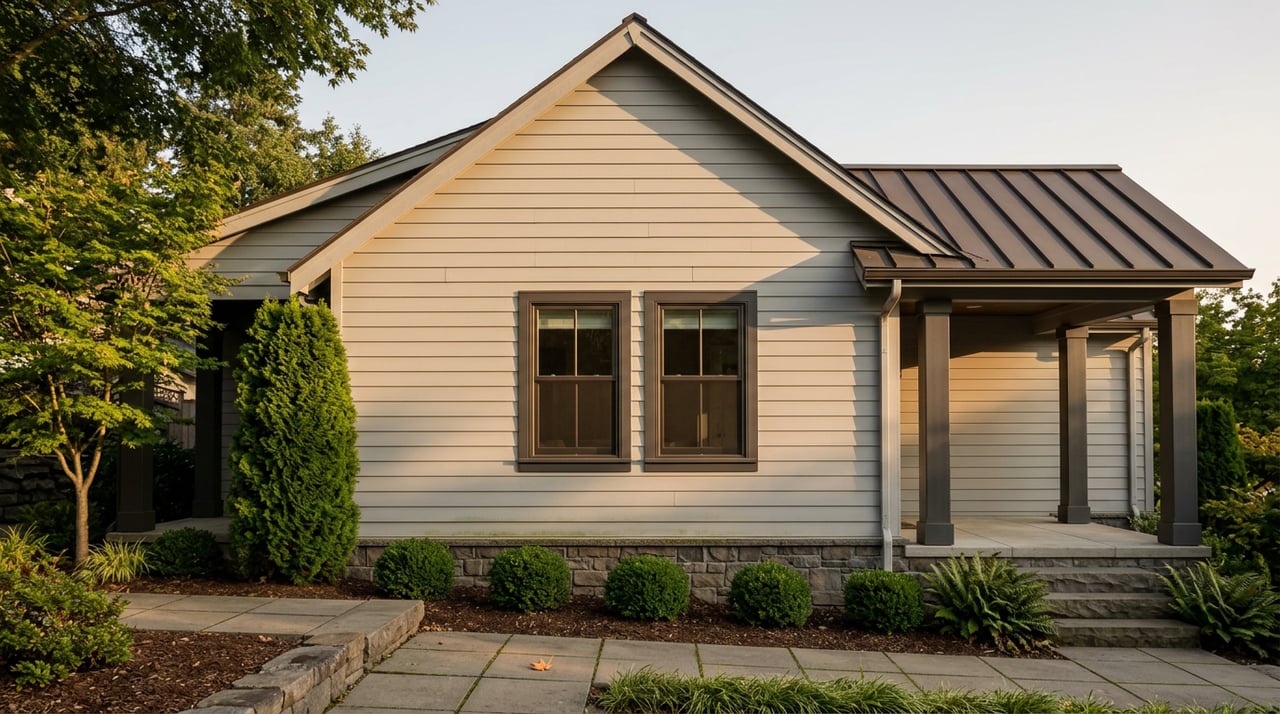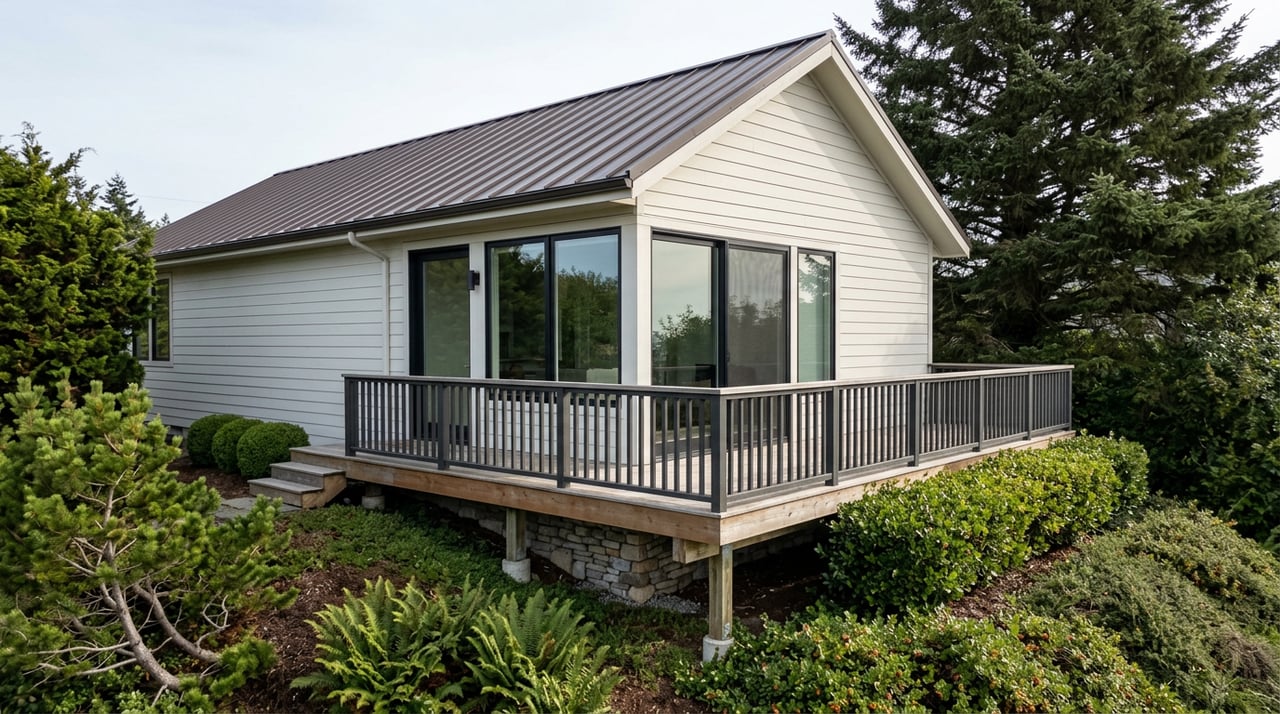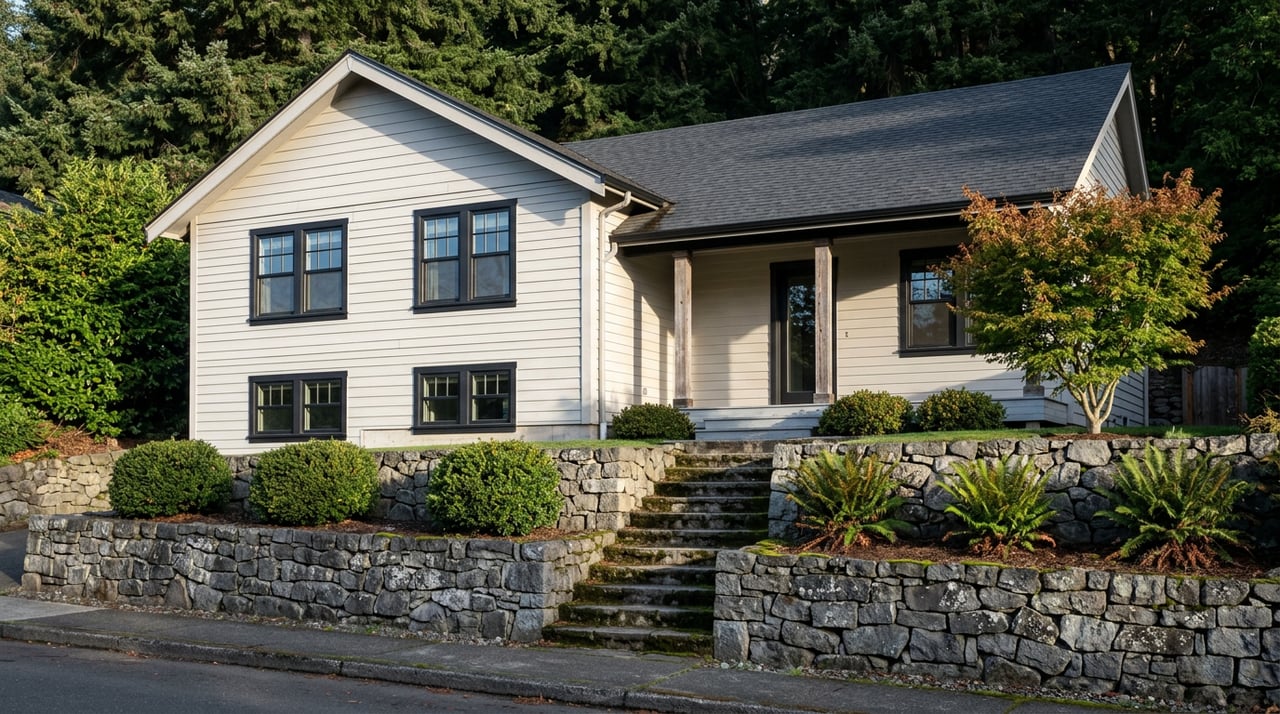

What if the number that decides your deal comes in lower than you expect? On the Oregon Coast, where views, vintage charm, and weather all play a role, an appraisal can feel like a wild card. If you are buying or selling in Astoria, it helps to understand how appraisals work and how you can prepare. In this guide, you will learn what appraisers look for, which coastal factors can move value up or down, how lenders use the report, and what to do if the value comes in short. Let’s dive in.
What a home appraisal does
An appraisal is an independent estimate of a home’s market value used by a lender to manage risk. For financed purchases, the lender orders and typically collects payment for the appraisal. You can also order a private appraisal before listing or when buying with cash.
Appraisers follow national standards called USPAP, set by The Appraisal Foundation. Their job is to provide a well-supported opinion based on market data, the property’s condition, and recognized valuation methods.
Appraisal vs. inspection
An appraisal estimates value. A home inspection evaluates condition and safety. Appraisers will note obvious issues that affect value, but they are not testing systems the way inspectors do. You usually need both to make a confident decision.
How appraisers value homes
Most residential appraisals lean on three approaches to value. Appraisers explain which approach carries the most weight based on your property and available data.
Sales comparison approach
This is the primary method for homes in Astoria. The appraiser selects recent, nearby closed sales that are similar in size, age, condition, and amenities. They adjust prices up or down to account for differences, then reconcile a final value.
Cost approach
This estimates the cost to build the home new, minus depreciation, plus land value. It can be useful for newer homes or unique properties where sales are scarce.
Income approach
For rental or investment properties, the appraiser may analyze income and expenses. This is less common for owner-occupied single-family homes unless there is a rental component.
For guidance on approach selection and reconciliation, appraisers and lenders rely on the Appraisal Institute and the Fannie Mae Selling Guide.
Coastal factors that influence value in Astoria
Astoria’s history, hills, and river views create a wide range of property features. Appraisers account for these local variables when they choose comps and make adjustments.
Views and water access
Panoramic river or ocean views, partial views, and access to the waterfront can drive significant adjustments. The degree of view, orientation, and any obstructions all matter.
Flood and tsunami risk
If a home sits in a FEMA Special Flood Hazard Area, lenders typically require flood insurance, which raises ownership costs. Appraisers must report flood zone status and can reflect market reaction to risk and mitigation. You can check flood zones at the FEMA Flood Map Service Center and tsunami exposure through DOGAMI’s hazard map viewer. Elevation certificates or engineered mitigation often reduce negative impact.
Historic homes vs. newer builds
Astoria’s Victorians often command a premium for architecture and location near downtown. At the same time, outdated systems, deferred maintenance, or unpermitted changes can reduce value. Newer builds can benefit from energy efficiency, modern layouts, and easier comp selection.
Salt air and maintenance
Coastal weather can accelerate wear on siding, decks, fasteners, windows, and mechanicals. Appraisers note condition and remaining economic life. Document repairs and materials that resist corrosion to support value.
Insurance and regulations
Insurance costs affect buyer demand and can influence appraised value. Local constraints such as historic preservation rules or coastal setbacks can limit expansion, which the market may price in.
How comps are chosen in Astoria
Appraisers aim for the most comparable sales possible. When the market is slow or homes are unique, they explain why certain choices were made and support larger adjustments with data.
Comp basics and time window
Core criteria include location, sale date, property type, size, bedroom and bath count, lot size, condition, and amenities. Appraisers prefer sales from the last 3 to 6 months, but they can extend that window if needed and adjust for market trends.
Common local adjustments
- Location differences, such as historic hillsides near downtown versus outlying subdivisions.
- View level and quality, from full river panoramas to partial or no view.
- Condition and age, including upgrades to roofs, windows, systems, and kitchens or baths.
- Site and access, like hillside topography, usable yard, off-street parking, or easements.
- Flood elevation and mitigation, including raised foundations or documented measures that reduce risk.
When comps are scarce
For a rare Victorian or a one-of-a-kind waterfront parcel, appraisers may mix several imperfect comps and use paired-sales analysis or the cost approach to support a credible value.
Lender requirements you should know
Different loan programs have specific appraisal and property requirements. Your lender’s rules will shape timing, documentation, and any repairs required before closing.
Conventional, FHA, and VA
- Conventional loans require appraisals that meet the Fannie Mae Selling Guide.
- FHA loans follow HUD Handbook 4000.1, which adds minimum property standards for safety and soundness.
- VA loans use the VA Lenders Handbook and may include specific repairs to meet VA property requirements.
Lenders can also add their own conditions. In coastal Oregon, that often includes flood zone verification, elevation certificates, and proof of insurance availability.
Typical coastal conditions
Expect requests for elevation certificates, engineered foundation details on raised or piling systems, and evidence of flood insurance if the property is in a Special Flood Hazard Area. If significant repairs are noted, the lender might require completion before closing or allow an escrow holdback if the program permits.
Real Astoria examples
Example A: Restored Victorian above downtown
You have a beautifully restored Victorian with original woodwork, a partial Columbia River view, and a modernized kitchen and electrical. An appraiser will likely:
- Favor nearby historic sales and adjust for your view, restoration level, and system upgrades.
- Weigh the premium for period details against market evidence. Functional updates usually carry more measurable value than decorative features alone.
- Note any unpermitted work, which can limit value. Permits and receipts help the appraiser support higher condition ratings.
If true like-kind comps are scarce, the appraiser may use a mix of restored and partially updated sales and reconcile carefully in the narrative.
Example B: 12-year-old seaside build on the outskirts
Your home has an open floor plan, energy-efficient windows, and was built above base flood elevation with an elevation certificate. An appraiser will likely:
- Select recent, similar-age sales in the subdivision or nearby areas.
- Make smaller adjustments due to strong comp availability.
- Give positive weight to documented elevation and mitigation, which can reduce the market discount for hazard risk.
How to prepare for your appraisal
A little prep goes a long way. Your goal is to make it easy for the appraiser to see value and verify facts.
Gather documents
- Recent comparable sales your agent used for pricing, with closed dates and sale prices.
- Permits and receipts for improvements, especially roof, HVAC, plumbing, electrical, kitchens, and baths.
- Elevation certificates, flood mitigation documentation, or engineered foundation reports.
- Historic designation or architectural survey paperwork if applicable.
- Floor plans and accurate square footage details.
- Utility information, septic or sewer connection documentation, and any known easements.
Tidy and make repairs
- Ensure safe access to all rooms, attic, crawlspace, and mechanicals.
- Fix easy items like loose handrails, broken panes, minor leaks, or missing smoke and CO detectors.
- Declutter and brighten spaces so condition is easy to assess.
- For Victorians, note period-appropriate repairs and disclose any unpermitted changes.
Set your strategy
- Sellers: consider a pre-listing appraisal or a broker price opinion to set expectations and flag issues early.
- Buyers: keep an appraisal contingency in your offer so you can renegotiate or exit if value comes in low.
- Both: if hazard exposure is possible, pull FEMA flood maps and DOGAMI tsunami layers and gather any elevation or mitigation records up front.
If the appraisal comes in low
You have options. Focus on facts and market evidence.
- Ask your agent to assemble additional, relevant closed sales the appraiser may have missed.
- Provide corrections for any factual errors, such as square footage, bedroom count, or permit status.
- Request a reconsideration of value through the lender with a concise, data-driven packet.
- If allowed and appropriate, consider a second appraisal or renegotiate price or terms.
- Cash buyers can proceed without a lender appraisal, but a private appraisal still supports smart pricing.
Timing and what to expect
Most conventional appraisals deliver in 3 to 7 business days after the site visit. Complex or rural properties can take longer. The report includes photos, a property description, comparable sales with adjustments, and a final value opinion with the appraiser’s reasoning.
Work with local experts
A strong appraisal outcome starts with preparation and local know-how. From flood documentation to finish quality, small details matter on the coast. If you want help gathering the right records, choosing value-adding repairs, or setting pricing that aligns with appraised value, reach out. Jamay Hadley and our team offer clear guidance, smart prep, and a full-service approach. Get a free home valuation and a practical plan to avoid appraisal surprises.
FAQs
What is a home appraisal and who orders it?
- An appraisal is an independent estimate of market value used by lenders to underwrite risk. For financed purchases, the lender orders it. You can also order a private appraisal.
How is an appraisal different from a home inspection?
- An appraisal estimates value using market data. An inspection evaluates condition and safety in detail. You usually need both for a full picture.
What coastal factors can raise or lower value in Astoria?
- View quality, flood or tsunami exposure, elevation and mitigation, historic restrictions, and salt-air maintenance can all influence value and marketability.
How do FHA and VA appraisals differ from conventional?
- FHA and VA include additional property requirements for safety and livability. Conventional appraisals follow Fannie Mae guidelines and lender conditions.
What can I do if the appraisal is lower than my contract price?
- Provide better comps and factual corrections, request a reconsideration of value through the lender, consider a second appraisal, or renegotiate price or terms.
How long does a typical appraisal take in Clatsop County?
- Many reports are completed within 3 to 7 business days after the site visit. Unique or complex properties can take longer.