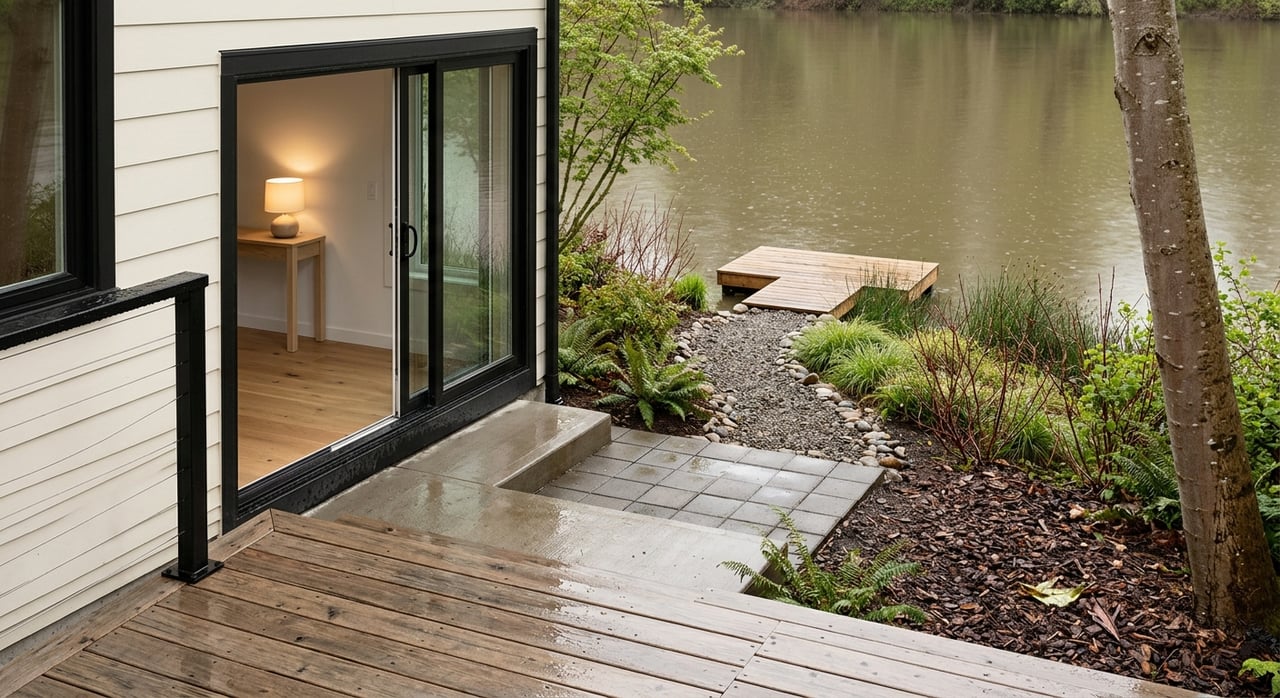
If you are dreaming about a home where the river is part of daily life, South Bend, Washington deserves a closer look. In a small city shaped by the Willapa River, riverfront living can mean scenic views, easy boat access, and a slower pace that feels connected to the landscape. This guide will walk you through what riverfront living in South Bend can look like, what kinds of homes you may find, and what to keep in mind before you buy. Let’s dive in.
Why South Bend Feels Tied to the River
South Bend is a small Pacific County city with deep roots in the Willapa River. According to the City of South Bend history page, the first settlement formed around a sawmill on the river, and South Bend became the county seat in 1892. As of April 1, 2025, the city had an estimated population of 1,735 residents.
The river is not just a backdrop here. The city’s comprehensive plan explains that the Willapa River rises in the Willapa Hills, drains about 260 square miles, and flows roughly 41 miles to Willapa Bay. Since the city center sits around river mile 4.5, the water feels woven into everyday life rather than set apart from it.
What Riverfront Living Looks Like
In South Bend, riverfront living is often about routine as much as scenery. The city describes its neighborhoods as a mix of single-family homes, open space, views of the forested hills and river, and community amenities such as parks, schools, churches, and civic buildings. That creates a setting where residential life and public spaces are closely connected.
You may notice that the town feels practical and lived-in rather than built around a resort model. The courthouse, hospital, city hall, parks, and schools are all part of the daily pattern of the community. For many buyers, that balance is part of the appeal.
Boating and Fishing Access
If you want a home base for getting out on the water, South Bend has real advantages. The Washington Department of Fish and Wildlife South Bend water access site is open year-round and includes a concrete boat ramp, boarding float, and ADA parking.
WDFW also notes that Willapa Bay is a popular small-boat fishery, especially for large Chinook salmon, and that South Bend is a major access point. For buyers who value boating or fishing, that kind of access can shape how you use your home week to week.
Homes You May Find Near the River
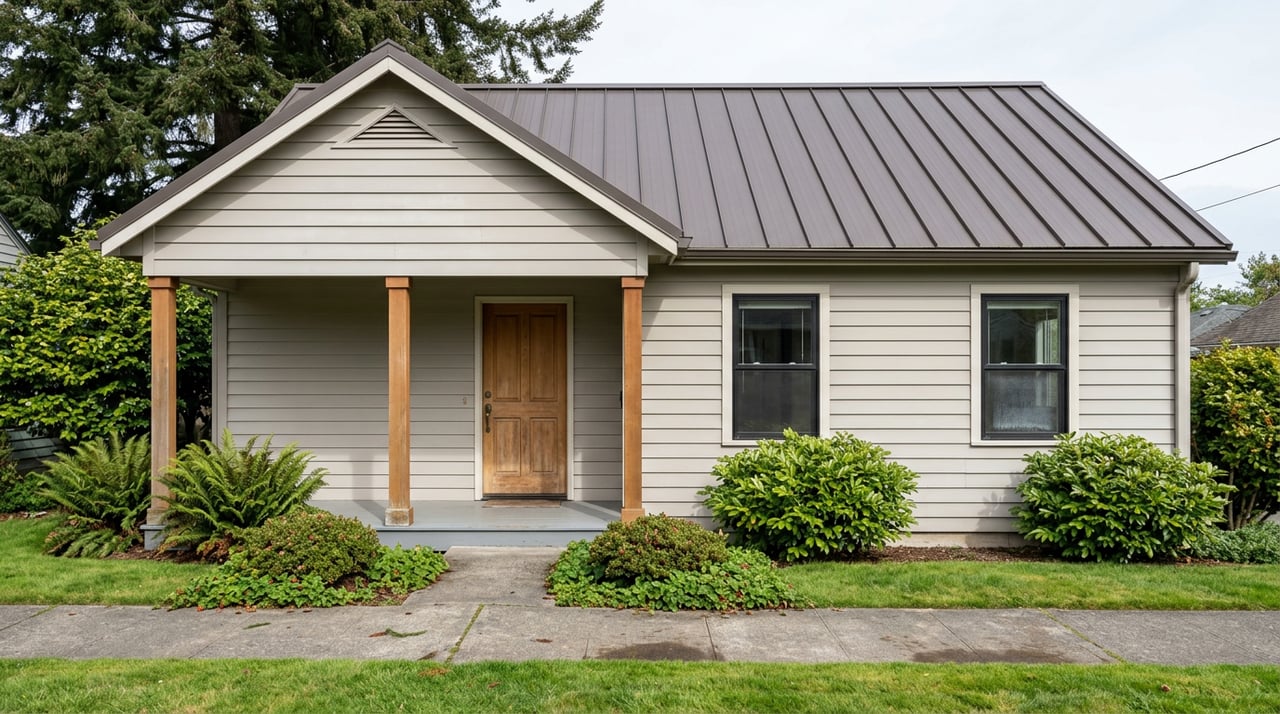
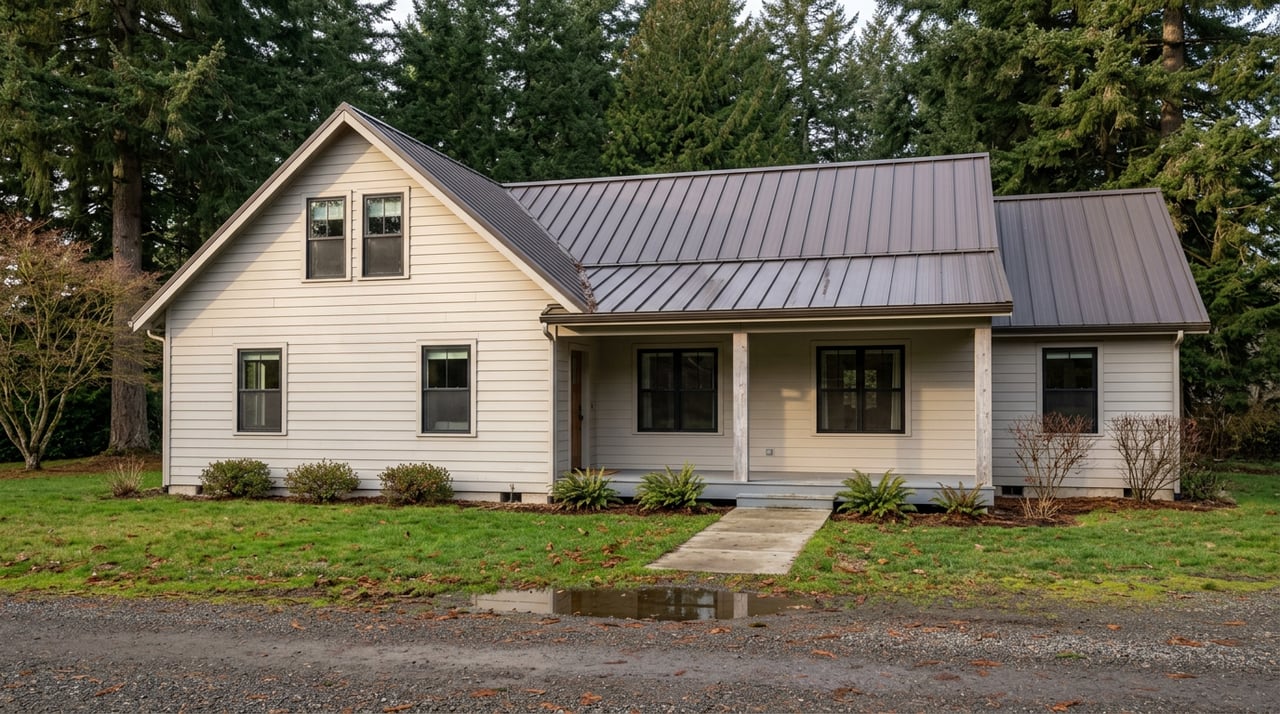
Many buyers picture one type of property when they hear “riverfront,” but South Bend offers more variety than you might expect. The city’s comprehensive plan shows that housing leans strongly toward single-family homes, while also including manufactured homes, duplexes, multifamily units, condominiums, apartment buildings, and a small amount of vacation or cabin use.
That matters because your options may go beyond a classic detached home on a large lot. Depending on your goals, you could find a home that works as a primary residence, a lower-maintenance option, or a property with update potential.
Lot Sizes and Older Development Patterns
South Bend’s older subdivisions often predate zoning, which created long, narrow lots and a pattern of owners combining adjacent parcels over time. In 2018 assessor data cited by the city, residential uses made up 27.4 percent of land uses. The median single-family parcel was 8,819 square feet, while riverfront parcels for single-family homes were smaller at 5,421 square feet.
For you as a buyer, that can mean river-adjacent lots may feel different from inland residential parcels. Smaller lot sizes near the water may still offer the setting or access you want, but they can come with layout or use considerations that are worth reviewing closely.
Infill and Future Housing Mix
South Bend also allows a range of housing types in its Neighborhood District, including single-family homes, newly designated manufactured homes, duplexes, accessory dwelling units, and multifamily units on appropriate streets. The city also notes that future riverfront development could lean toward multifamily rental or condominium housing.
That suggests a riverfront market that may continue to evolve gradually rather than through rapid large-scale growth. The same planning document projects only modest residential growth and says current land supply can accommodate both single-family and multifamily housing through infill.
The Lifestyle Appeal of a Small River Town
South Bend’s river setting shapes more than just views. It also supports a lifestyle that feels connected to the seasons, the tides, and the surrounding landscape. In a place where the river is close to downtown and neighborhoods, you are not planning a special trip to enjoy the waterfront. It is already part of the setting.
For some buyers, that means morning walks with water views or easier access to boating. For others, it means choosing a home in a town where natural features and daily routines are closely linked. If you are relocating from a larger city, South Bend may feel quieter and more grounded in its physical setting.
What Buyers Should Review Carefully
Riverfront and near-river homes can be compelling, but they also call for careful due diligence. South Bend’s planning documents are clear that flood, drainage, shoreline, and erosion issues matter in this market. If you are considering a property near the river, it is wise to look beyond the view and understand the site conditions.
A home can still be a strong fit for your goals, but the path to ownership may involve more detailed review than a typical inland property. That is especially true if you are thinking about future improvements, additions, or redevelopment.
Floodplain and Insurance Questions
South Bend participates in the National Flood Insurance Program and regulates floodplain development using Flood Insurance Rate Maps. The city says the remaining 100-year floodplain includes the north bank of the Willapa River and lowlands near Potter and Skidmore Sloughs.
The same plan notes that Highway 101 acts as a dike for eastern South Bend against 10-year high tides. Even so, if a property is in or near a mapped flood area, you will want to confirm flood zone status, insurance implications, and any development limits before you move forward.
Erosion and Shoreline Limits
The city also states that some riverfront properties north of US 101 may face increasing environmental restrictions and bank erosion. On top of that, Pacific County’s 2023 sea-level-rise assessment says the county is facing growing hazards from coastal erosion, flooding, inundation, rising groundwater, and stormwater drainage limitations.
These issues do not affect every property in the same way, but they should shape your questions. Site-specific research matters, especially if you are looking at vacant land, a fixer, or a home where you may want to make changes later.
Permits and Local Due Diligence
If you are buying a riverfront or near-river property, local permit guidance can be part of the process. Pacific County’s Department of Community Development describes itself as a one-stop permit center for land-use review and maintains a South Bend office.
That can be helpful when you need clarity on flood maps, shoreline rules, permit pathways, or development questions tied to a specific site. In a market like South Bend, having practical guidance during your search can help you avoid surprises later.
Who Riverfront Living May Suit
Riverfront living in South Bend can appeal to different kinds of buyers. You may be looking for a full-time home in a small town, a place with boating access, or a property with renovation potential. The right fit depends on how you want to use the home and how comfortable you are with site-specific research.
It may be a good match if you value:
- A small-city setting with the river close to everyday life
- Access to boating and fishing amenities
- A range of housing options beyond just traditional detached homes
- A slower pace and strong connection to the surrounding landscape
- The opportunity to evaluate properties with update or infill potential
How to Approach a South Bend Riverfront Home Search
If you are exploring homes in South Bend, it helps to stay practical from the start. River proximity can add lifestyle value, but it can also affect insurance, permitting, and future plans for the property. A thoughtful search balances excitement with good research.
A smart process often includes:
- Reviewing the property’s location in relation to the river and low-lying areas
- Checking whether floodplain or shoreline rules may apply
- Looking at lot size, access, and current use of the parcel
- Asking about past improvements or combined parcels in older subdivisions
- Confirming what may be feasible if you plan to renovate or expand
South Bend is the kind of place where local context matters. A home’s value is not just about square footage or curb appeal. It is also about how the lot, location, and water relationship fit your long-term goals.
If you want help evaluating homes in South Bend or weighing the pros and cons of a riverfront property, Jamay Hadley offers practical, local guidance to help you move forward with confidence.
FAQs
What is riverfront living like in South Bend, WA?
- Riverfront living in South Bend often means close daily connection to the Willapa River, scenic views, nearby boating access, and a small-town setting where the water is part of the community’s routine.
What types of homes are available near the river in South Bend?
- South Bend includes single-family homes, manufactured homes, duplexes, multifamily units, condominiums, apartment buildings, and a small amount of vacation or cabin use, with housing near the river varying by lot size and location.
What should buyers check before purchasing a riverfront home in South Bend?
- Buyers should review floodplain status, possible insurance needs, drainage or shoreline restrictions, erosion concerns, permit requirements, and any site-specific limits tied to future improvements.
Is South Bend, WA good for boating and fishing access?
- Yes. WDFW lists South Bend’s water access site as open year-round with a boat ramp, boarding float, and ADA parking, and notes that South Bend is a major access point for the Willapa Bay small-boat fishery.
Are riverfront lots in South Bend usually large?
- Not always. The city’s comprehensive plan says the median single-family parcel was 8,819 square feet, while riverfront parcels for single-family homes were smaller at 5,421 square feet in the cited assessor data.
How can buyers research permits for South Bend riverfront property?
- Buyers can start with Pacific County’s Department of Community Development, which serves as a one-stop permit center for land-use review and has a South Bend office for local development questions.